Every villa handover in Dubai produces the same conversation. The keys arrive on a date; the furniture does not. One camp orders everything from showrooms in March and moves into an empty house in June. The other furnishes the whole villa from ready-made outlets in a fortnight and starts replacing it in year three. Neither is necessary. The homes that work — on the day and a decade later — are furnished from more than one source, with each piece put on the route that suits it and the calendar run backwards from the handover date. This is the plan we give clients, and it fits on a page.
First, sort the pieces into three lists
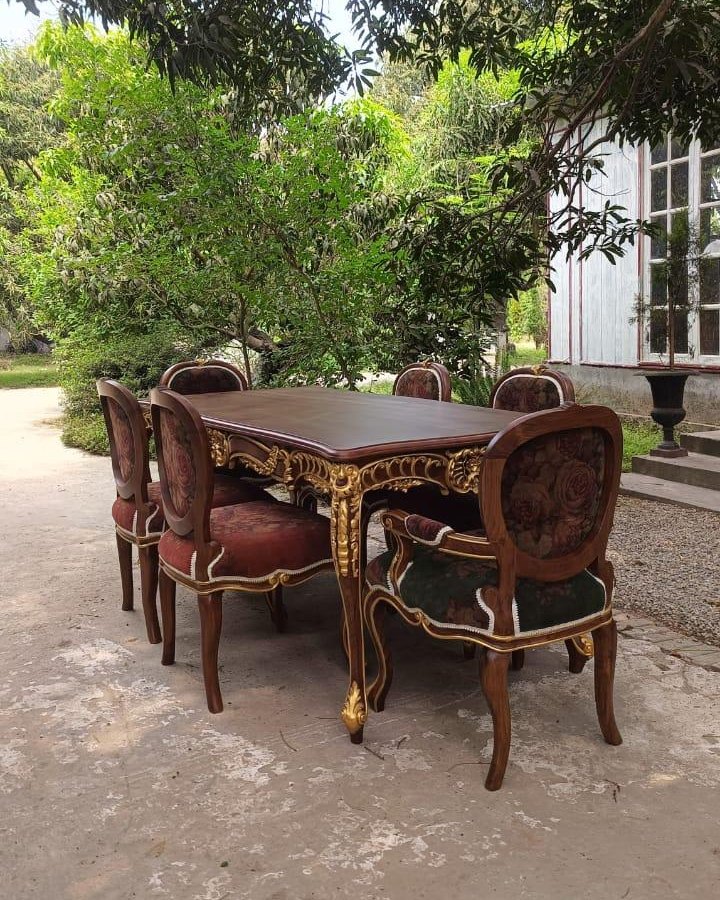
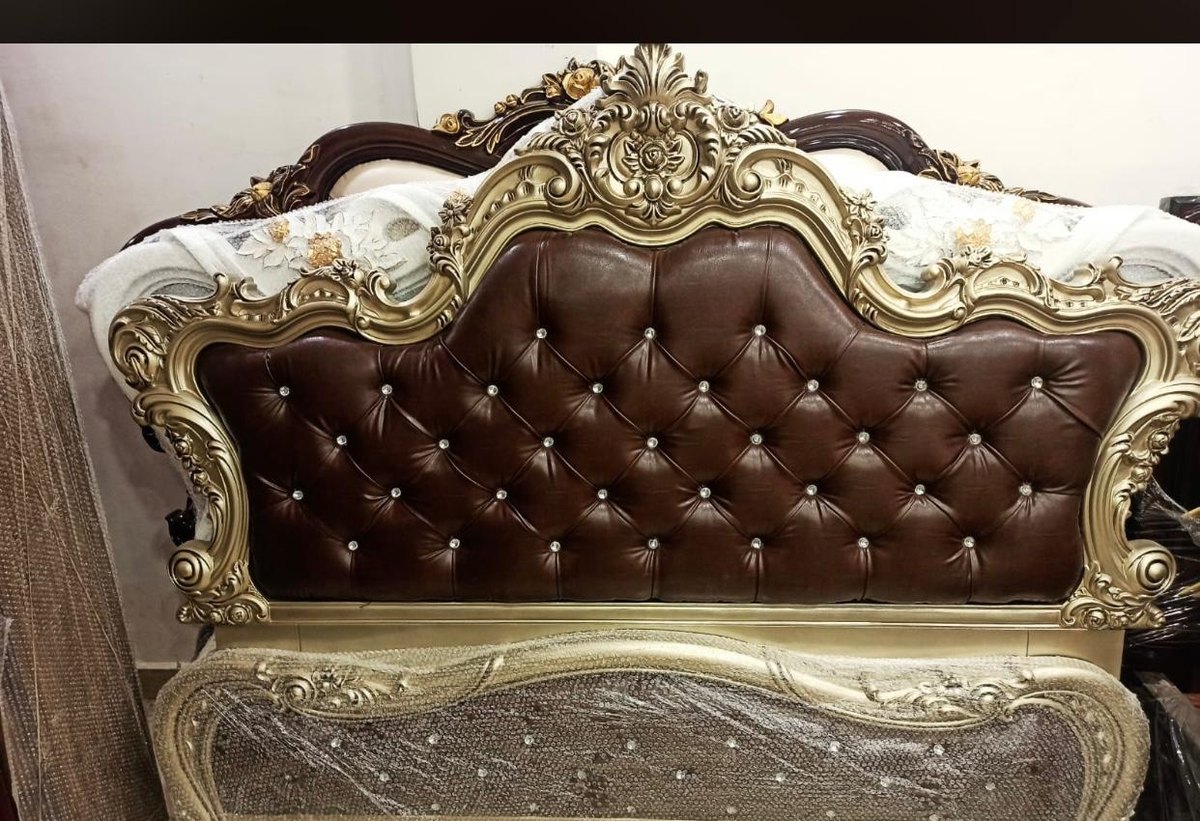
Commission the pieces that carry daily life and define a room: the living-room sofas, the majlis seating, the dining table and its chairs, the master bed and headboard, and fitted joinery such as wardrobes, dressing rooms and TV walls. These are the pieces where size, fabric, frame and foam decide whether they last, where stock dimensions never quite fit, and where a five-month import wait is hardest to live with. Made to measure locally they take six to ten weeks, cost between the showroom and the ready-made price, and are drawn to the room rather than to a catalogue.
Buy ready-made the pieces where exact size and long life matter less and where the value market genuinely excels: side and coffee tables, lamps, mirrors, cushions and throws, decorative objects, bar stools, guest-room bedside tables, and most outdoor furniture, which is replaced on a shorter cycle anyway. Dragon Mart, the online marketplaces and the mid-market chains do this well and quickly, and there is no reason to pay bespoke prices for a lamp.
Decide case by case on rugs, curtains, lighting and occasional chairs. A rug under a bespoke sofa is usually worth making to the seating plan; a guest-room rug is not. Curtains are made to measure almost by definition, in three to four weeks. A single armchair that anchors a corner can be either, depending on how much it will be used.
Then, run the calendar backwards
Take the handover date and count back twelve weeks. That is when the commissioned pieces need to be measured and drawn, and it is the single date that decides whether the villa is furnished when the keys arrive.
- Week −14 to −12: floor plans to the workshop; site measure if the villa is accessible; fabric and finish selections; drawings issued.
- Week −12 to −11: drawings approved, fixed prices agreed, deposits paid. Frames start. Curtain measure if windows are in.
- Week −10 to −4: manufacture. Visit the workshop at the frame stage and again once upholstered. Order rugs to the seating plan. Buy nothing ready-made yet: the palette is set by what is being made.
- Week −4 to −2: ready-made purchases against the palette: occasional tables, lamps, mirrors, accessories. Delivery dates confirmed with the developer's move-in team.
- Week −2 to 0: snagging, deep clean, protective floor covering; then installation of joinery first, beds and sofas next, dining last, with the ready-made pieces placed at the end.
Designer showroom imports do not fit this calendar. If a particular piece is essential, order it at the off-plan stage and treat its arrival as a later event; if it is merely desirable, a made-to-measure equivalent in the same spirit arrives with everything else. Our villa handover checklist covers the snagging and services side of the same fortnight.
Mixing sources without it showing
The reason mixed-source rooms sometimes look mixed is that the pieces were bought in the wrong order. Set the palette first — two or three timber finishes, one metal finish, a family of fabrics — and have the bespoke pieces made in exactly those. Then buy the ready-made pieces into the palette, not the other way round. Keep scale consistent: a made-to-measure sofa at the right depth for the room makes a stock coffee table look intentional, while a stock sofa that is 20 cm too long makes everything around it look wrong. Put the bespoke pieces where people sit and gather, in the middle of the room and at eye level; the ready-made pieces do their work at the edges.

Where not to save, and where to
Three pieces repay their cost more than any others and are the wrong place to economise: the main sofa, the dining chairs and the master bed, because they are used every day, carry weight and are the first ready-made pieces to fail in this climate. The mattress is a fourth, and the one item where bespoke and ready-made cost the same, so buy the best. Save instead on the guest rooms, the accessories, the occasional pieces and the terrace, all of which are easy to upgrade later and none of which anyone sits on for three hours an evening.
What it costs, and how the money divides
A four-bedroom villa furnished to a good standard on this plan — made-to-measure anchor pieces, ready-made supporting pieces, kitchens and fitted joinery excluded — typically runs AED 150,000–300,000, with the commissioned pieces about 60% of the total. The same villa furnished entirely from designer showrooms multiplies that several times over and adds a season of waiting; furnished entirely ready-made, it halves the figure and is being replaced from year three. The mixed plan is not the cheapest on the day, but it is the cheapest over ten years and the only one that fits a handover date.
The pieces to talk to us about first
If the handover is within four months, the order of priority is: fitted joinery, then sofas and majlis seating, then beds and headboards, then dining. Send the floor plan and the date and we will tell you which pieces need to be drawn this week. The rest of this series covers each piece in detail — sofas, dining, costs — and the custom furniture page shows what a made-to-measure scheme looks like once it is installed.
Handover date fixed?
Send us the date and the floor plan. We will tell you which pieces need ordering this week and return drawings and a fixed price for each, so the villa is furnished when the keys arrive.
Book a Consultation