Dubai is handing over homes at a pace it has not seen in nearly two decades. Roughly 24,800 units completed in the first half of 2026 — up around 38% year on year — with villas and townhouses accounting for some 5,900 of them, and another 32,000 or so units expected before the year closes. That means a great many people are standing in an empty, echoing villa right now holding a set of keys and wondering where to start. Start in the wrong order and you will pay twice. Here is the sequence that works.
Step one: snag before you furnish
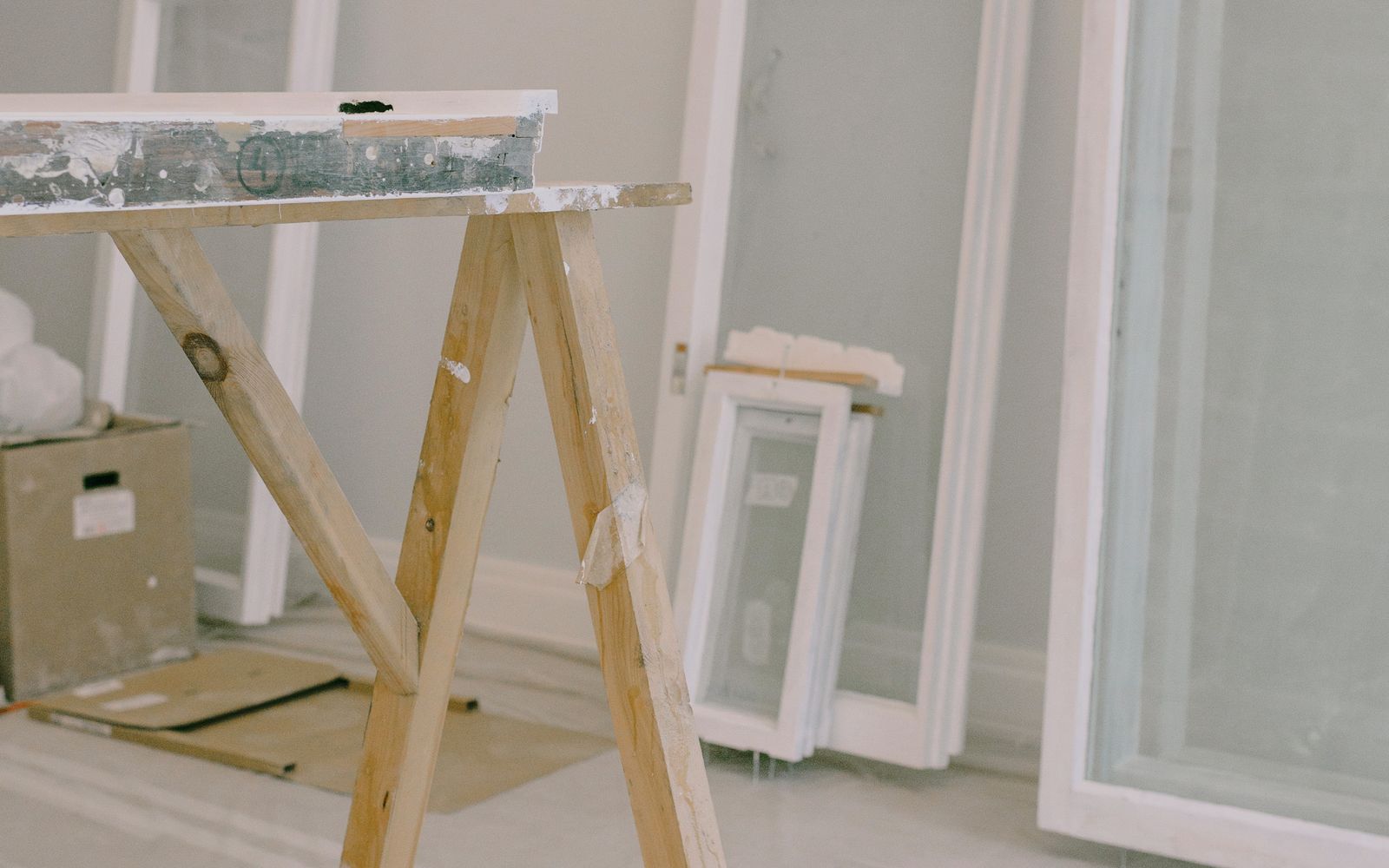
This is the step people skip because they are excited, and it is the one that costs the most to skip. Before a single piece of furniture is ordered, walk the villa with a professional snagging inspector and produce a written defect list — door alignment, AC drainage and airflow, water pressure, tile lippage, paint finish, electrical circuits, waterproofing to wet areas, external drainage.
Submit it while the defects liability period is live. Developers are obliged to rectify during that window, and their contractor is still mobilised. Once your joinery is fixed to the walls and your curtains are hung, getting a team back to chase a leak behind a wardrobe becomes your problem and your expense. Snag first. Always.
Step two: understand what you actually received
Handover specifications vary widely between developers and communities, but the pattern is consistent. You generally get flooring, bathrooms, a basic kitchen, sometimes built-in wardrobe carcasses, and basic ceiling lighting points. You generally do not get:
- Any window treatment. No curtains, no blinds, no tracks, often not even a curtain pocket. In a Dubai summer this is not cosmetic — bare glass drives a large share of your cooling load.
- Decorative and task lighting. A builder's downlight grid is not a lighting scheme.
- TV units, media walls or feature joinery.
- Wardrobe interiors beyond a hanging rail and a shelf, if you got a wardrobe at all.
- Landscaping, outdoor shading or terrace furniture.
- All loose furniture.
Treat window treatments and joinery as certainties in your budget, not as optional extras to be squeezed in later.
Step three: get the order of operations right
This is where money is saved or wasted. Work from the building outward to the loose pieces:
- First fix — anything that touches ceilings, walls or power. Curtain pockets, additional lighting circuits, wall lights, TV and data points, speaker cabling, motorised curtain power at the track ends. All of this wants to happen before final paint.
- Fixed joinery. Wardrobes, TV and media walls, dressing rooms, pantry, feature panelling. These are built to the millimetre of your actual walls, so they follow the survey.
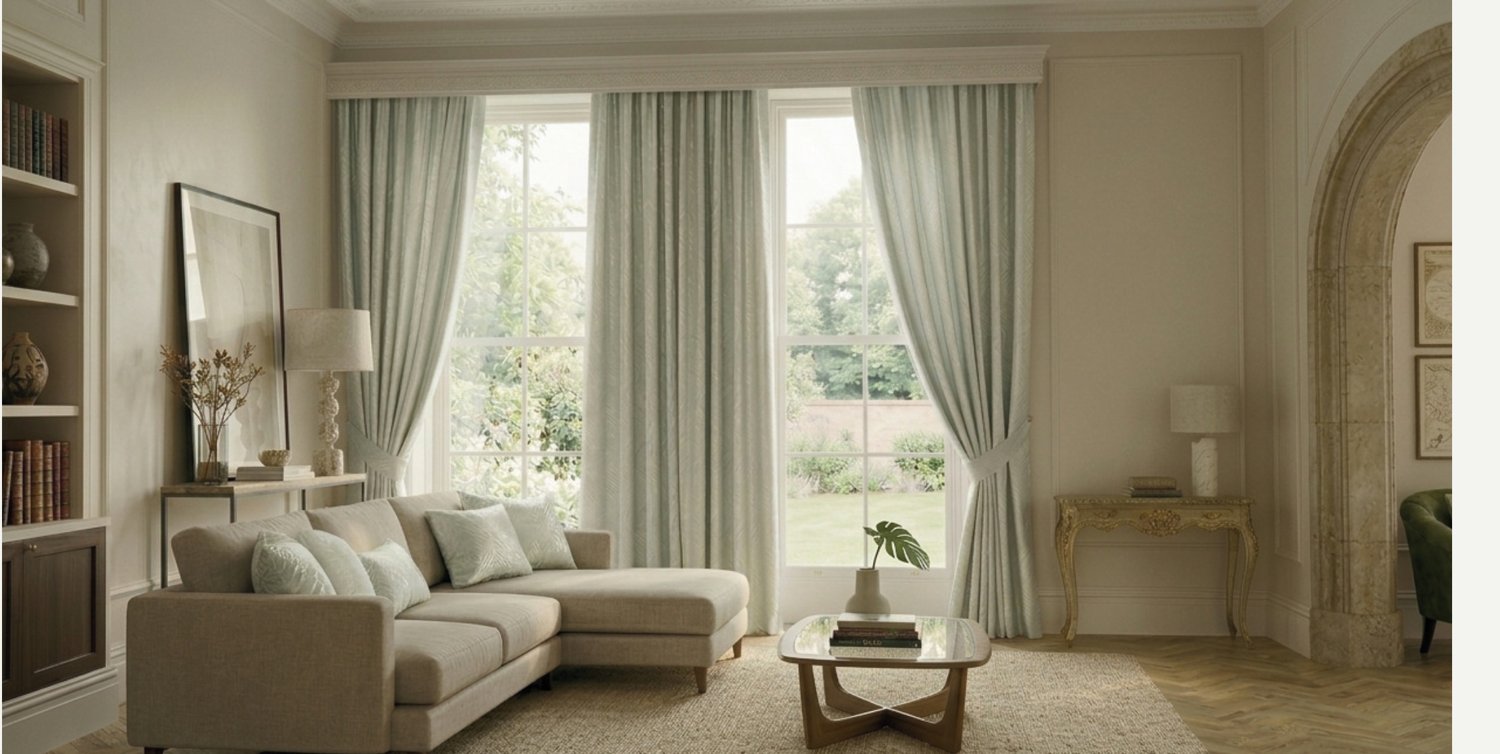
- Window treatments. Measured after joinery is in, because a wardrobe return or a panelled reveal changes the track line.
- Loose furniture. Sofas, beds, dining, occasional pieces — ordered early because of lead times, delivered last.
- Styling. Rugs, art, lamps, accessories. The layer everyone underestimates and that makes the photographs.
The classic error is buying the sofa first because it is the fun decision, then discovering the media wall has to be redesigned around it, or that the rug you already bought fights the curtain fabric you have not chosen yet.
Step four: respect the lead times
Nothing derails a move-in date like a lead time discovered too late. Working figures for Dubai:
- Bespoke furniture: 6–10 weeks from approved drawings and fabric selection.
- Fitted joinery (wardrobes, media walls, dressing rooms): 6–8 weeks from final site survey.
- Made-to-measure curtains: 3–4 weeks from final measure, plus fabric availability.
- Imported furniture: 10–20 weeks, sometimes longer, and vulnerable to shipping.
- Stone and specialist finishes: allow slab selection time before anything is cut.
These run concurrently, so your real timeline is the longest single item plus installation sequencing — typically 8 to 16 weeks end to end. Locally made pieces are a genuine advantage here: our workshop is in Al Qusais, which means survey, sample, adjust and install without a container in the middle of the process. It also means the timber is conditioned for this climate rather than arriving from a humid factory and moving once it settles. More on that in how bespoke furniture is made.
Step five: phase it intelligently
Very few people furnish an entire villa at once, and there is no need to. Phase by how much each room affects daily life:
Phase one — the rooms you live in from night one
Master bedroom (bed, wardrobe interiors, blackout curtains), one bathroom fully functional, the main living area (seating, lighting, window treatments), and a dining table. Blackout curtains in bedrooms are not a phase-two item in a Dubai summer — they are the difference between sleeping and not.
Phase two — the rooms guests see
Majlis or formal sitting, entrance and foyer, guest bedroom, the media wall. See our majlis layout guide.
Phase three — the rooms that make it yours
Home office, gym, children's rooms, outdoor terrace, art and styling. These benefit from living in the house first and learning how you actually use it.
The mistakes that cost the most
- Furnishing before snagging. Covered above, and worth repeating.
- Buying to fill, not to fit. Dubai villas have generous volumes; standard-scale retail furniture floats in them and looks mean. Scale is the single most common reason a newly furnished villa feels wrong.
- Ignoring the sun. Which way does each room face? West-facing rooms need serious shading and fade-resistant fabrics. See materials for the Dubai climate.
- Leaving lighting until last. Once ceilings are painted and closed, adding circuits is disruptive. Decide the lighting scheme before the decorator finishes.
- No storage plan. New villas look enormous and empty. Twelve months later, without designed storage, they do not.
- Different suppliers, no coordination. Five vendors each doing their bit correctly can still produce a house that does not hang together, and each will blame the others when something does not fit.
What it costs
Broad but honest guide figures for a four-bedroom Dubai villa, covering loose furniture, fitted joinery, window treatments and lighting:
- Essential, phased: AED 120,000–180,000 — the rooms you use daily, done properly, others deferred.
- Considered mid-to-high specification: AED 250,000–500,000 — the whole villa, bespoke where it matters.
- Full turnkey with bespoke throughout: AED 600,000 and upward.
Our full cost breakdown goes room by room with per-square-foot rates.
The bottom line
Snag first. Fix what touches the building second. Order the long-lead items early and the loose furniture around them. Phase by how you actually live, buy at the scale the rooms demand, and plan the shading before the first August in the house teaches you the hard way. Do that and a handover becomes a home in a single, calm sequence rather than a year of expensive corrections.
Taken handover recently? Talk to our team — ELEVÉ handles design, bespoke furniture, joinery and curtains as one accountable package, from our own Dubai workshop.
Just taken handover of a villa?
Book a complimentary consultation. We'll walk the property, advise on sequence and lead times, and return a phased design and budget.
Book a Consultation