It is the first question almost every villa owner asks, and the hardest one to answer in a sentence: what does a proper interior actually cost in Dubai? The honest answer is that it depends on scope, specification and how much is bespoke — a light refresh and a full turnkey transformation are different worlds. This guide gives you the real ranges, what drives them, and how to budget so the number at the end matches the number you had in mind.
The three ways interiors are priced
- Design only: you pay a studio for concept, drawings, specification and (usually) site supervision, then contract the build separately. Best when you already have a trusted contractor.
- Supply & install: you buy specific elements — furniture, joinery, curtains — made and fitted, without a full design service.
- Turnkey: a single team designs, builds, furnishes and hands over a finished home. One point of accountability from empty shell to styled rooms.
Most of our villa clients choose turnkey, because on a large project the coordination is worth more than any line-item saving. But the right route depends on your time, appetite for management and how much already exists.
Turnkey cost: the per-square-foot guide
The most useful benchmark in Dubai is cost per square foot of finished interior. As a broad guide:
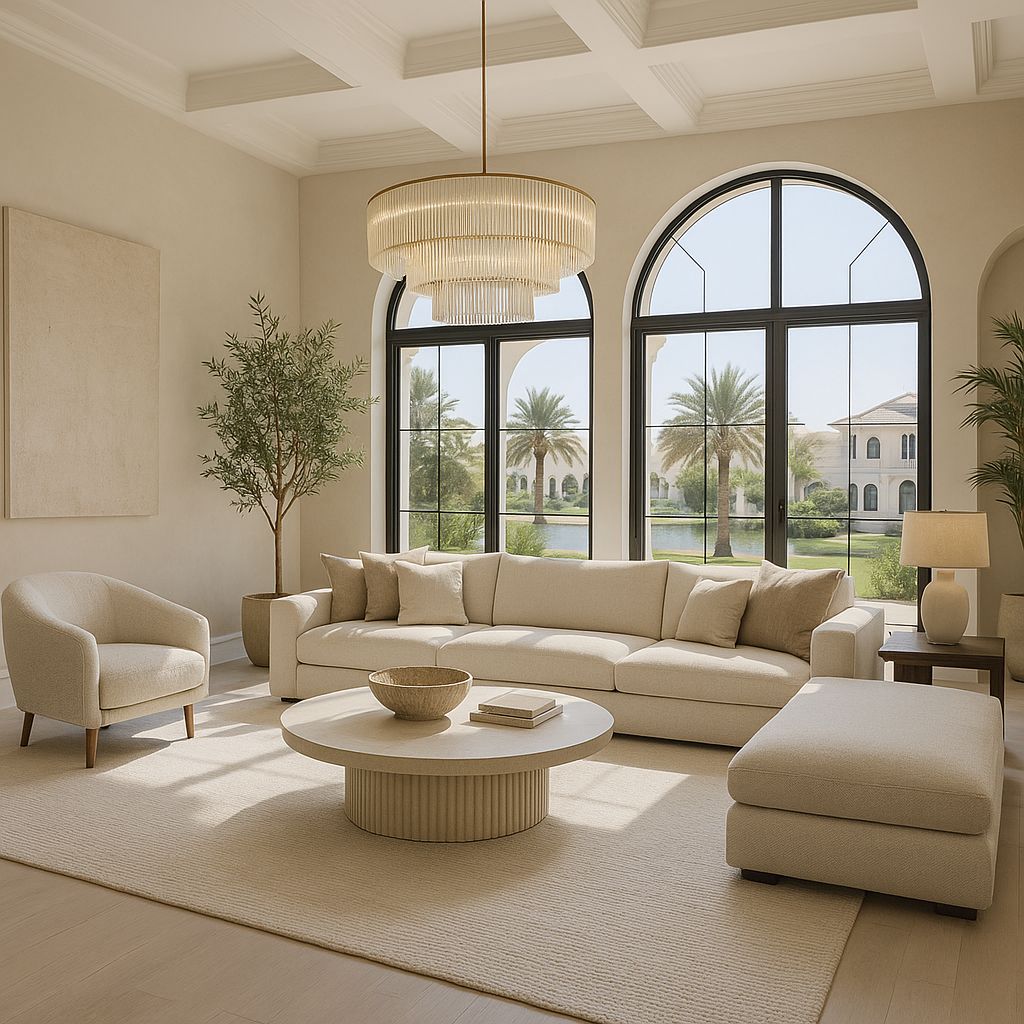
- Smart / mid-range: approximately AED 350–550 per sq ft — good-quality finishes, a mix of bespoke and premium off-the-shelf furniture.
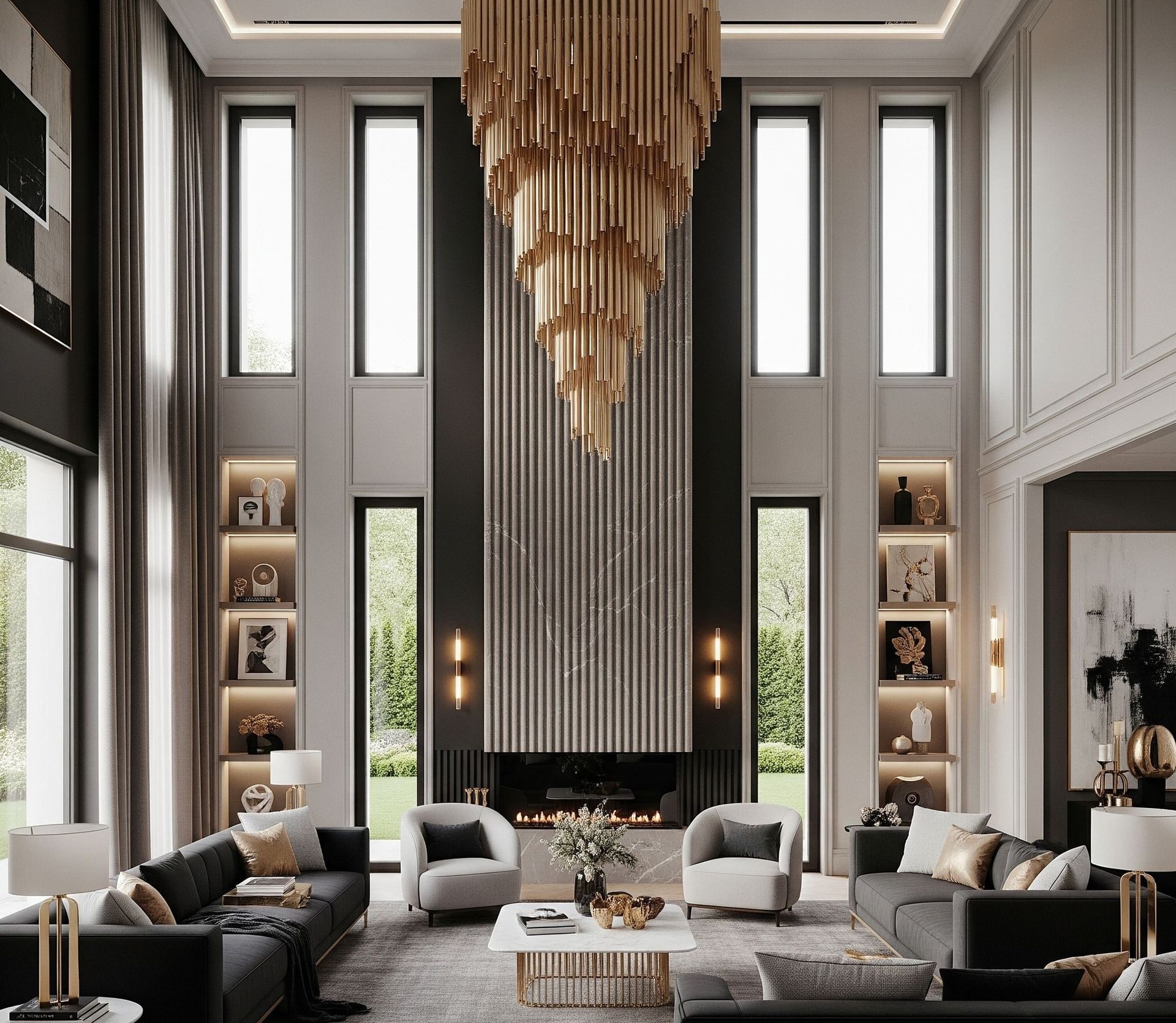
- High-end: approximately AED 550–850 per sq ft — largely bespoke furniture, natural stone, feature joinery, integrated lighting and automation.
- Ultra-luxury: AED 850–1,200+ per sq ft — rare materials, imported feature pieces, full smart-home, book-matched stone and couture detailing.
Applied to a typical 5,000 sq ft villa, a full turnkey scheme therefore commonly lands between AED 1.75m and AED 6m, with ultra-luxury above that. These figures include joinery, furniture, curtains, lighting and finishes — not major structural or MEP works.
What actually drives the price
Two villas of the same size can differ two- or three-fold. The variables that move the number most:
- Bespoke vs off-the-shelf: made-to-measure furniture and joinery cost more than catalogue pieces — but fit better and last longer. See our bespoke vs off-the-shelf guide.
- Materials: natural marble, solid timber and imported stone sit at the top; porcelain, veneer and quality engineered materials deliver a similar look for less.
- Joinery volume: wardrobes, wall panelling, the kitchen, media walls and the majlis are where budgets are won and lost.
- Lighting & automation: layered lighting and a smart-home system add cost but transform how a home feels and functions.
- Level of finish: the last 10% — styling, art, accessories, the perfect curtain — is what makes a project feel complete, and it is often under-budgeted.
Room-by-room: where the money goes
Rough turnkey allocations for a high-end villa, to help you sense-check a budget:
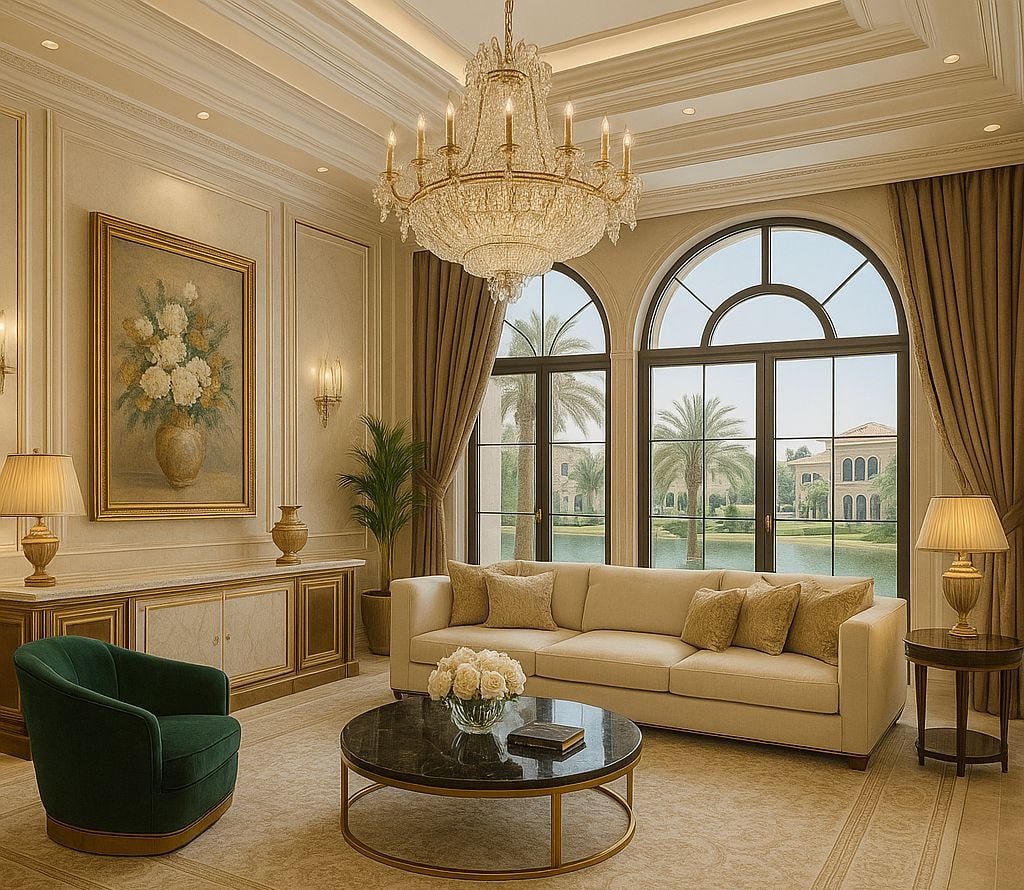
- Majlis / formal living: often the single biggest room budget — bespoke seating, statement lighting, feature wall, rug.
- Kitchen: a major cost centre; premium kitchens frequently run into six figures once appliances and stone are included.
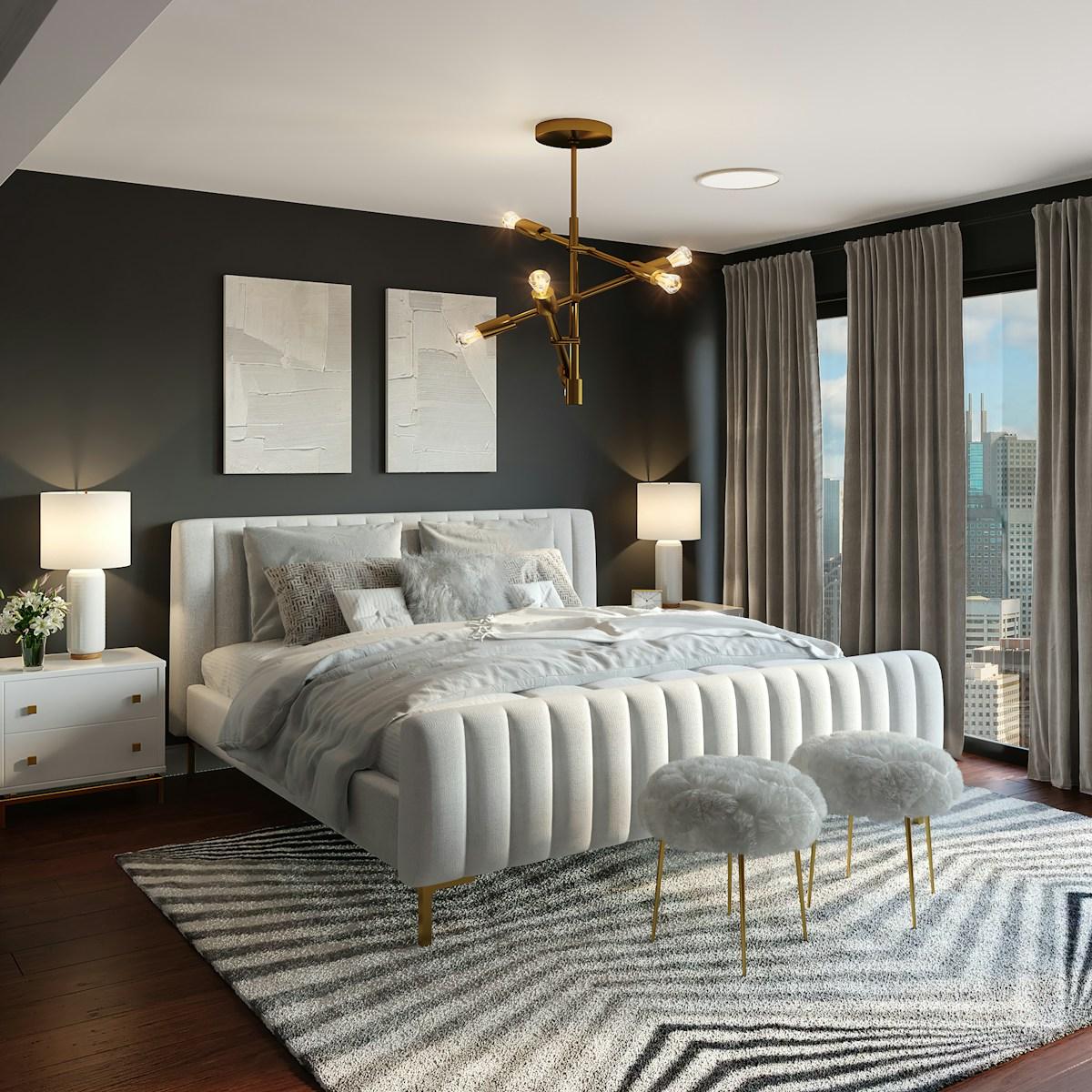
- Master suite: bed, wardrobes, dressing room, bathroom and soft furnishings — a small project in itself.
- Living & dining: sofas, a custom dining table, media wall and curtains.
- Secondary bedrooms, powder rooms, entrance: important for coherence but lighter per room.
Design fees, explained
Design is charged as a percentage of project value (commonly 8–15%), a fee per room or per square foot, or a fixed lump sum for a defined scope. For a full villa, design fees frequently fall between AED 80,000 and AED 350,000 depending on the depth of documentation and how much is bespoke. It can feel like a lot up front — but good design pays for itself by avoiding expensive mistakes and specifying correctly the first time.
How timeline affects cost
Rushed projects cost more: expedited manufacturing, overtime and air-freighted materials all carry a premium. A realistic programme — typically 3–6 months for a full villa — lets materials be sourced sensibly and trades sequenced properly. If you have flexibility on dates, you have leverage on price. Our villa renovation timeline guide sets out the sequence in detail.
How to budget sensibly
- Set a total, then split it across construction/joinery, furniture, and the “soft” finishing layer — and protect the finishing budget, because it is what makes the rooms feel done.
- Spend where you touch. Sofas, beds, dining chairs, the kitchen, bathroom stone and lighting reward investment; back-of-house does not.
- Substitute intelligently. Sintered stone for marble in high-use areas, veneer for solid where movement matters, statement pieces against calmer surrounds.
- Phase if needed. Deliver the main living spaces and master suite first; complete guest rooms later.
- Keep a 10–15% contingency. Every real project meets a surprise; a contingency keeps it from becoming a crisis.
The bottom line
A Dubai villa interior is a significant investment, but it is a knowable one. Decide your route (design-only or turnkey), anchor to a realistic per-square-foot band for your level of finish, protect the budget for the pieces you live with, and give the project enough time. Do that and the result feels considered rather than expensive — which is the whole point.
If you would like a real number for your home, talk to our team. We provide a clear, itemised proposal after an initial consultation — design-only or full turnkey — built and delivered from our Al Quasis studio.
Want a real number for your villa?
Book a complimentary consultation. We'll discuss scope and specification and return a clear, itemised proposal — design-only or turnkey.
Book a Consultation