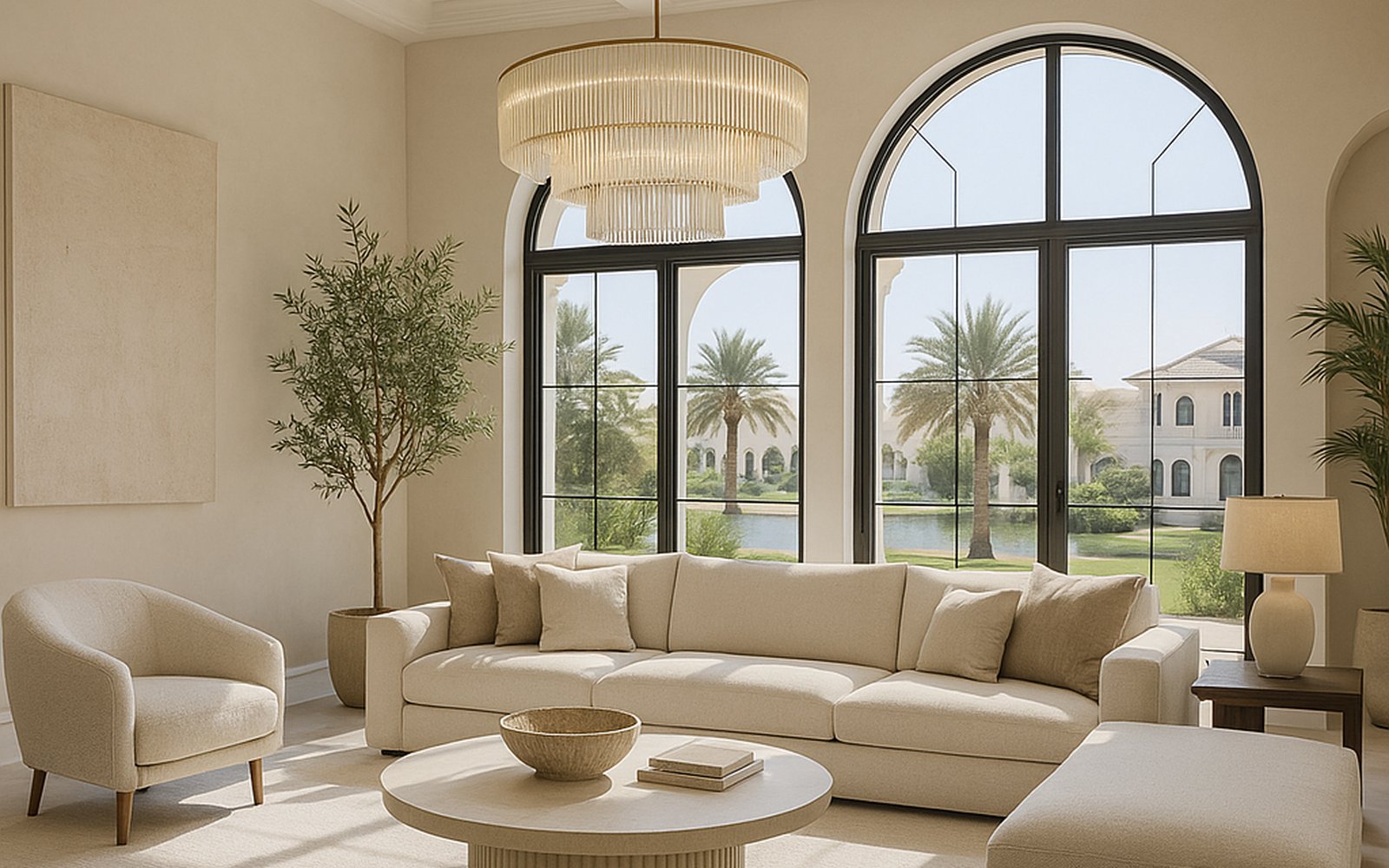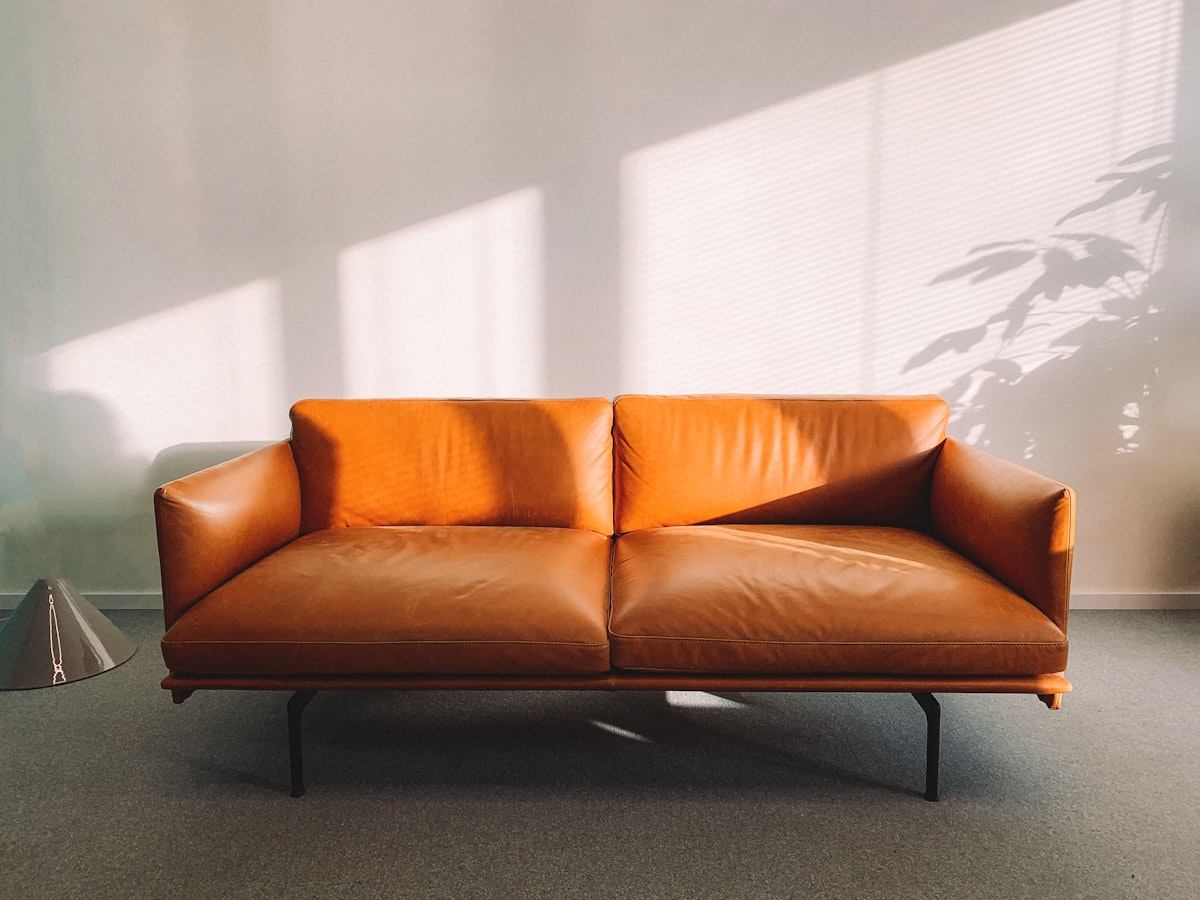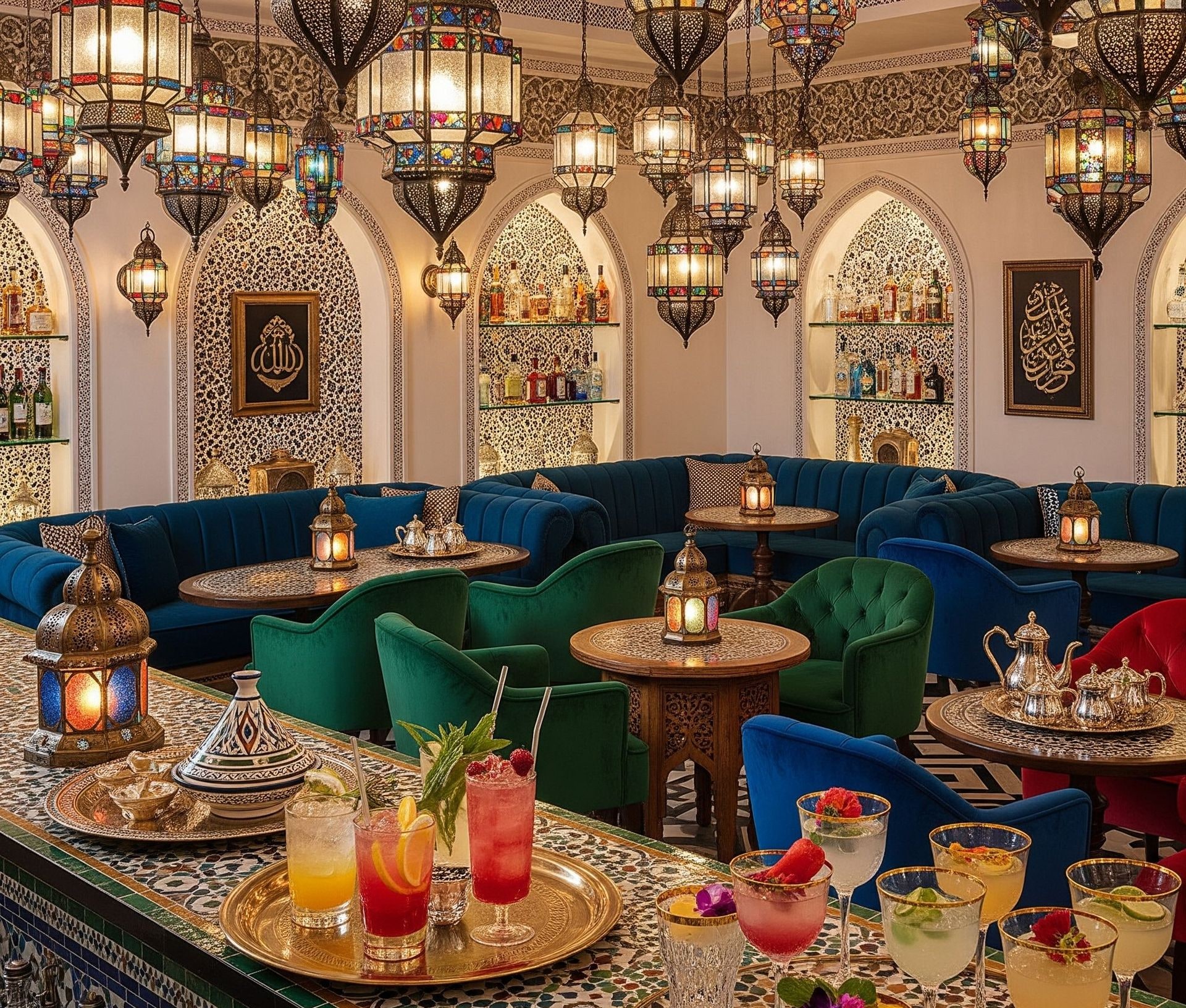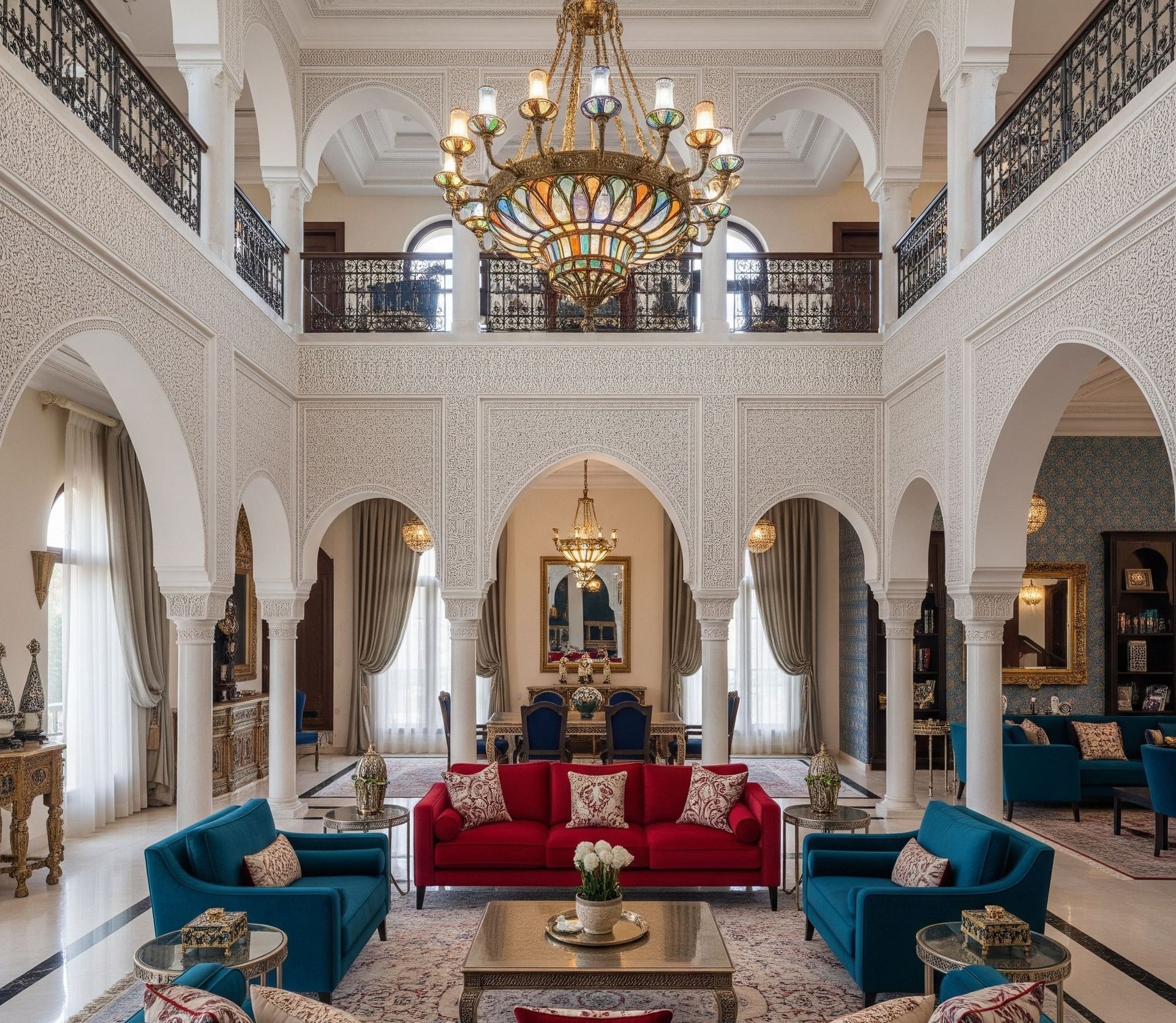
Dubai's short-let sector has grown into a regulated, professional market of more than 22,000 licensed holiday homes, and the standard has risen with the volume. Guests comparing twenty listings in the same tower are not choosing on square metres — they are choosing on photographs, then reviewing on comfort. Which means furnishing a holiday home is a commercial decision with two distinct jobs to do: win the booking, then survive three hundred nights a year without looking tired.
The regulatory baseline
Holiday homes in Dubai operate under a permit from the Department of Economy and Tourism (DET), and a permit-holding property must be fully furnished to hotel-apartment standard. In practice the baseline includes complete furniture throughout, fresh bed linen and towels, functional kitchenware and appliances, working Wi-Fi, and mandatory safety equipment — a fire extinguisher and a smoke detector at minimum.
Enforcement has tightened noticeably, with listings monitored electronically, so operating outside the permit framework is no longer a quiet option. Fees are modest relative to revenue — registration in the region of AED 1,520 per property, with annual permit fees scaling by bedroom count — but they and the standards are periodically updated, so confirm the current requirements with DET before you commit a specification.
Treat the regulatory list as the floor, not the target. It is what makes a unit legal; it is not what makes it book.
Specify contract grade, not domestic
This is the decision that separates a portfolio that stays profitable from one that quietly bleeds replacement cost. A holiday home takes more punishment in a year than a family home takes in five: new guests every few nights, suitcases dragged along walls, wet swimwear on upholstery, and nobody who owns the furniture treating it as theirs.
- Upholstery at 40,000+ Martindale rub count, in performance or solution-dyed fabrics that clean without specialist treatment. Our upholstery guide explains the numbers.
- Mid-tone, forgiving colours. A white sofa photographs beautifully and looks marked within two months. Warm neutrals, textured weaves and mid-tones hide real life.
- Hardwood or metal frames, jointed and glued. Particleboard flat-pack does not survive repeated cleaning and movement.
- Commercial-grade mattresses with washable protectors. More on this below.
- Hard-wearing, wipeable surfaces — sintered stone or quartz worktops, laminated or lacquered joinery with sealed edges, porcelain floors.
- Wall protection where luggage travels: a skirting detail, a headboard that covers the wall, corner protection at tight turns.
- Repeatable specification. If you run several units, standardise. One damaged dining chair should be replaceable from stock, not re-sourced from scratch.
What guests actually notice
Read a few hundred reviews and the same items recur. Almost none of them are the ones owners spend most on.
- The bed. Comfort of the mattress is the most frequently mentioned single element in short-let reviews. Buy the best mattress in the budget, and buy good quality white linen — white because it can be washed hot, bleached, and replaced in matched sets forever.
- Blackout in the bedrooms. Guests are frequently jet-lagged and often sleeping in the morning. A bedroom that cannot be made properly dark generates complaints reliably. Full blackout curtains with side returns and a centre overlap — see our blackout curtain guide.
- Wi-Fi. Fast, and with the password displayed somewhere obvious. A large share of Dubai's short-let guests are working remotely.
- Somewhere to put a suitcase. Luggage benches or clear floor space beside the wardrobe. Guests living out of a case on the floor for a week rarely say so kindly.
- A kitchen that functions. A sharp knife, a decent pan, enough matching crockery for the maximum occupancy, a kettle, a corkscrew. The absence of small things is remembered more than the presence of expensive ones.
- Lighting that is not a single ceiling fixture. Bedside lamps with reachable switches, a floor lamp by the sofa, dimmable where possible. Layered light is the cheapest way to make a unit feel considered.
- Storage. Empty hangers — a genuinely common complaint — plus wardrobe space and a bathroom shelf.
- Towels. Plentiful, white, matched, replaced on a schedule.
Designing for the photograph
The listing images decide whether anyone ever experiences the mattress. What photographs well in a Dubai apartment:
- Light, layered rooms — pale walls, warm timber, one confident accent colour rather than five timid ones.
- One memorable feature per unit — a panelled headboard wall, a well-styled console with art, a sculptural light. It gives the listing a thumbnail that stands out in a grid.
- The view, framed. If the unit has one, arrange the furniture toward it and keep window treatments clear of the glass — extend tracks so curtains stack on wall, not view.
- Real styling — a rug that anchors the seating, cushions in mixed textures, a few books, plants that are convincing. Styling costs a fraction of the furniture and does most of the photographic work.
- Uncluttered surfaces. Cleaners have to reset the unit between every stay; anything fussy will not survive.
A tension worth naming: the most photogenic specification and the most durable one are not identical. The resolution is to put the photogenic material where guests do not touch it — a feature wall, art, a light fitting — and the durable material where they do.
Budget and replacement cycle
- Studio / one-bedroom: AED 45,000–90,000 — furniture, soft furnishings, curtains, lighting, kitchen equipment, styling.
- Two-bedroom: AED 80,000–150,000.
- Three-bedroom or premium unit: AED 150,000–300,000.
- Annual replacement reserve: 8–12% of the original furnishing cost. Linen and towels run on a much shorter cycle than furniture — budget them as consumables.
Set against the revenue premium a well-managed short-let commands over an annual tenancy — frequently cited in the region of 30–50% in prime areas — furnishing quality is one of the few levers an owner controls directly. A better-presented unit sustains a higher nightly rate and higher occupancy at the same address.
The bottom line
Meet the DET standard as a starting point, then specify like a hotel rather than a home: contract-grade fabrics, solid frames, forgiving colours, and one repeatable specification across a portfolio. Spend disproportionately on the mattress, the blackout curtains and the lighting, because those three drive reviews. Style for the camera in the places nobody touches. Then keep a replacement reserve, because in this market a unit that looks tired does not get discounted — it gets skipped.
Furnishing one unit or twenty? Talk to our team — ELEVÉ furnishes short-let and hospitality properties to contract standard from our own Dubai workshop.
Furnishing a holiday home or portfolio?
Book a consultation. We furnish short-let units to contract standard, with repeatable specifications across multiple properties.
Book a Consultation