A sofa is a practical decision; an armchair is a personal one. It is the piece people claim for reading, the one guests are shown to, and usually the place a room gets its character, because a chair can carry a pattern, a colour or a carved frame that would be too much on a whole sofa. But style is only half the decision. The other half is three measurements that decide whether it is comfortable, and one rule about scale that decides whether it looks right next to everything else.
The main styles, and what each is for
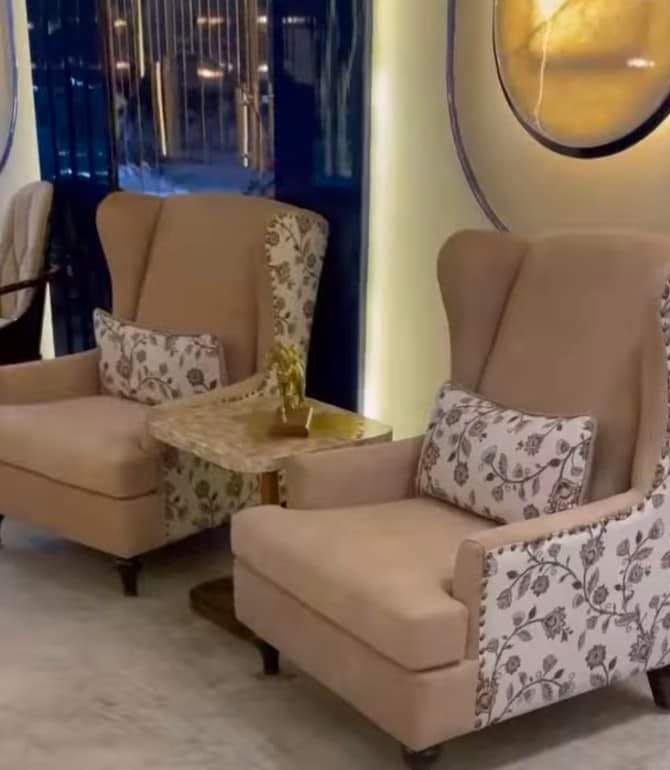
- Wingback. A tall back with side wings that shelter the head. The classic reading chair, and the most comfortable style for resting. Suits a corner with a floor lamp and a side table, a bedroom, or a pair either side of a fireplace or media wall.
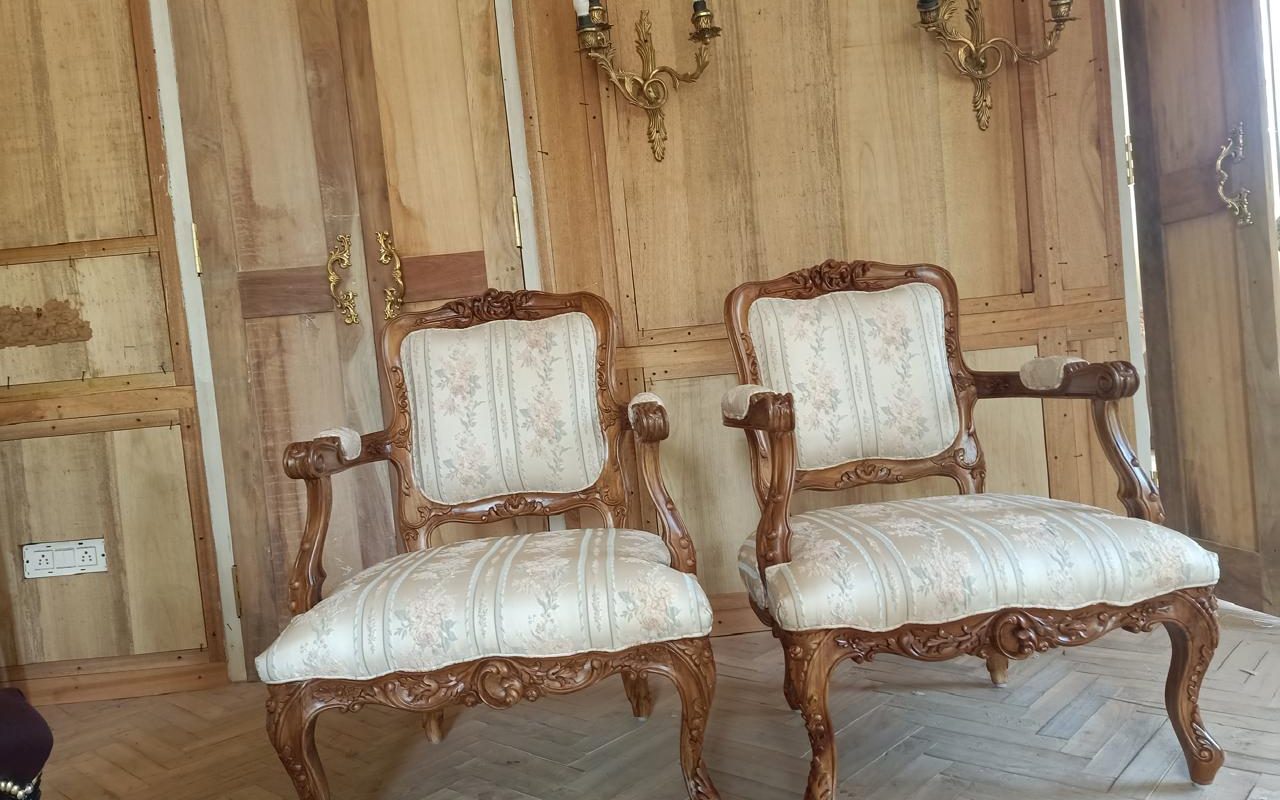
- Bergère. The French armchair with an exposed carved frame and upholstered, enclosed sides beneath the arms, usually with a loose seat cushion. Deep and cosy. The chairs in the photograph above are a carved pair in this style.
- Fauteuil. Also French, with an exposed frame but open arms, leaving space between arm and seat. Lighter, more upright and more formal; ideal for conversation in a formal sitting room or around a classic salon suite.
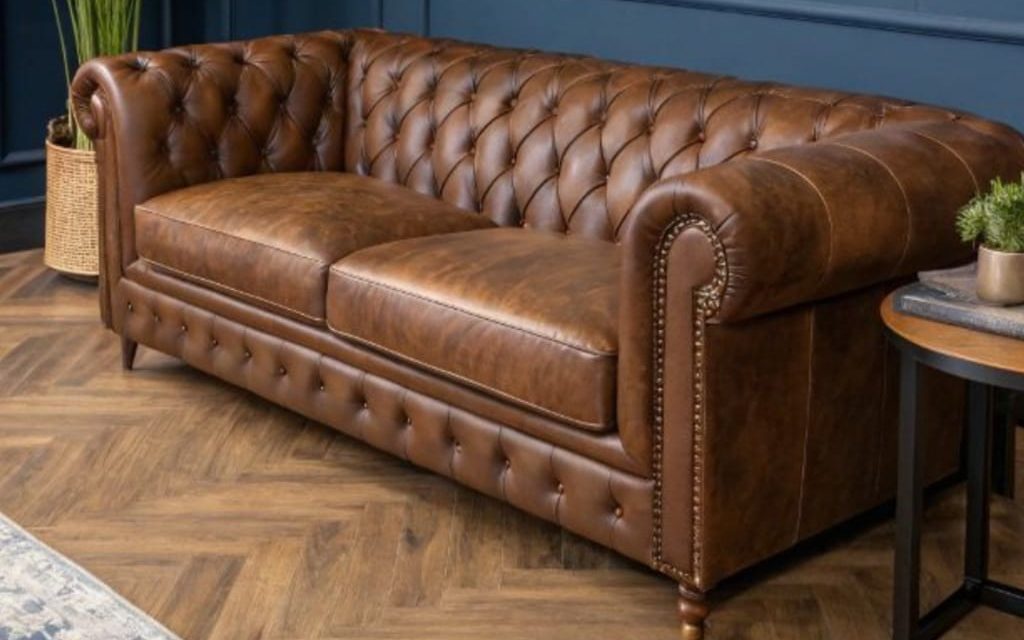
- Club chair. Low, deep and fully upholstered, often in leather, with thick arms. The companion to a Chesterfield in a study or a relaxed family room.
- Slipper chair. Armless, with a low seat. Takes little floor space and works in bedrooms, dressing rooms and as extra seating that can be moved around.
- Tub or barrel chair. A continuous curved back and arms. Compact and enveloping, good in apartments and around small round tables.
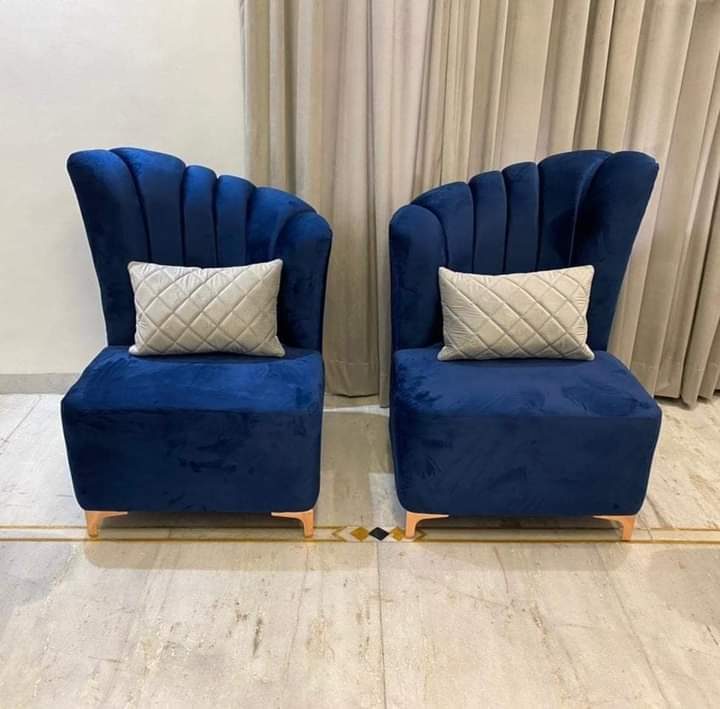
- Shell or scallop back. A back divided into vertical channels that fan out like a shell. A decorative accent chair, usually in velvet, as in the pair below.
The three measurements that decide comfort
- Seat height, 42–46 cm to the top of the compressed cushion for most people. Low lounge chairs at 38–40 cm look relaxed but are harder to rise from, which matters if older relatives visit often.
- Seat depth, 50–56 cm for a chair you sit up in; 58–65 cm for a lounging chair. Too deep and shorter people perch on the front edge with their feet dangling; too shallow and nobody stays long.
- Back height and angle. 75–85 cm suits a low contemporary chair; a wingback runs to 105–115 cm so the head rests against it. A slight backward rake makes an enormous difference over an hour.
Overall width runs from about 60 cm for a slipper chair to 90 cm or more for a generous club or wingback. Arm height, usually 60–65 cm from the floor, should let your forearm rest naturally with your shoulders relaxed.
Pairing chairs with a sofa
Chairs and sofa should read as one group without being a matching set. Three rules do most of the work:
- Seat heights within 2–3 cm of each other, so nobody sits noticeably lower than everyone else.
- Similar visual weight. A large, deep sofa needs substantial chairs; two delicate slipper chairs beside it look like an afterthought. A slim sofa can take lighter, more open chairs.
- A contrast in one thing only. Change the fabric, the colour or the frame, not all three. A pair of velvet wingbacks with a linen sofa works; a patterned, carved, brightly coloured chair beside a modern sofa usually does not.
Placement follows the same logic as the sofa: 40–45 cm from the front of the chair to the coffee table, and around 1.8–2.4 m across the group so conversation stays natural. Our coffee and side table guide covers the tables that sit between them.
Fabric: where you can take a risk
Because an armchair is used by one person at a time, it takes less wear than the sofa, which is why it is the natural place for a bold velvet, a pattern or a leather. It still needs a proper rating: something above about 25,000 Martindale rubs for a chair in daily use, and higher for the reading chair everyone fights over. Patterned fabric on a chair also needs matching across the seat, back and arms, which uses more material than a plain; our guide to pattern, plain and check upholstery explains how much. The ELEVÉ fabric collections include patterned Éclat and textured Aurelia cloths that are made for exactly this job.
Frames and construction
Upholstered armchairs should be built like good sofas: a kiln-dried hardwood frame, jointed and glued, sinuous springs or webbing in the seat, and high-resilience foam wrapped in fibre. Show-wood chairs such as bergères and fauteuils add carving and finishing to that, and the frame is the finished surface, so it is made in solid teak or sheesham and finished before the fabric goes on; our article on how a carved sofa is made follows that process step by step. A swivel base is worth considering in open-plan rooms where a chair needs to face the television one moment and the conversation the next; allow extra clearance so the arms do not strike the sofa as it turns.
Commissioning a pair
Most armchairs are ordered in pairs, and the advantage of having them made is that they can be drawn to the sofa: the same seat height, compatible arm heights, a back height chosen against the window behind, and a width that fits the space either side of the coffee table. You can also supply your own fabric. A made-to-order armchair takes the same six to ten weeks as a sofa; carved show-wood chairs take a little longer. The upholstered pieces we make are on the sofas page.
Looking for the right pair?
Send a photograph of the room and the sofa the chairs will sit with. We will suggest a style and size, draw the pair to match the sofa's seat and arm heights, and send fabric cuttings.
Book a Consultation