Every piece of solid wood furniture in Dubai lives a hard life. Outside, the air is hot and often humid; inside, air-conditioning holds rooms cool and dry all year, and termites find any wood they like. The species you choose decides how well a sofa, a bed or a dining table copes. These are the three woods our clients ask about most, how they compare, and why teak and sheesham are the backbone of everything we make.
The short answer
Sheesham makes the strongest frame for its cost: it is hard, heavy and grips joints tightly, which is why it is our first choice for hidden sofa and bed frames. Teak is the most stable and naturally the most resistant to termites and moisture, so it is our choice wherever wood is on show, for carved pieces and for anything that must stay perfectly true. Oak is a fine timber for a pale, open grain on show, but in Dubai it is imported, priced high, and resists termites less well than either.
At a glance
| Teak | Sheesham | Oak (white or European) | |
|---|---|---|---|
| Hardness | Medium-hard | Hard: about half as hard again as teak | Hard |
| Weight | About 650–700 kg/m³ | About 770–800 kg/m³ | About 700–770 kg/m³ |
| Strength and grip on joints | Good | Excellent | Very good |
| Stability in AC and humidity | Outstanding: barely moves | Good when properly kiln-dried | Moves more than teak |
| Termites and moisture | Highly resistant, thanks to its natural oils | Resistant (heartwood only) | Fair |
| Colour | Golden to mid-brown, deepening with age | Golden to deep brown with darker streaks | Pale straw to light brown |
| Price | High | Moderate: the best value for strength | High, as it is imported |
| Best for | Visible and carved wood, legs, outdoor pieces | Hidden sofa and bed frames, dining tables and chairs | Visible pale grain, on request |
Figures are typical published values; plantation teak sits at the lower end of its range.
Teak: the stable one
Teak grows in India and South-East Asia and on plantations across the tropics. Its heartwood is full of natural oils and fine silica, which is what makes it famous: water beads off it, termites and fungi leave it alone, and it barely changes size as the air around it gets wetter or drier. That stability is why boat builders have used it for centuries, and it is just as useful indoors in Dubai, where a piece may move between a humid terrace and a chilled living room.
Teak is medium-hard rather than very hard, so it is not the strongest of the three, and its silica blunts tools while its oils must be wiped off before gluing. Those are workshop problems rather than owner problems. For the owner, teak's golden colour deepens to a rich brown over the years, and it takes oil and lacquer finishes beautifully. We use it for carved and visible frames, legs and arm caps, and for any piece that must stay perfectly true. Its price is high, so it earns its place where it shows.
Sheesham: the strong one
Sheesham (Dalbergia sissoo), often called Indian rosewood, grows across the Indian subcontinent and has been the traditional furniture timber of the region for generations. It is noticeably harder and heavier than teak, and it holds dowels, screws and mortise-and-tenon joints very tightly, which is exactly what a sofa or bed frame needs when people drop into it thousands of times a year.
Two details decide whether sheesham furniture lasts. The first is heartwood: the golden-to-deep-brown inner wood is resistant to termites and decay, while the pale outer sapwood is prone to borers and should be cut away or treated. The second is drying: sheesham moves more than teak if it is not properly seasoned, so it must be kiln-dried to suit an air-conditioned interior. Done properly, it is one of the best frame timbers there is, at a moderate price, with a handsome streaked grain when it is left on show.
Oak: the pale one
Oak is the classic European and American furniture timber, and white or European oak is strong, hard and good-looking, with a pale, open grain that suits contemporary interiors. In the UAE it is imported, so it is priced high, and it brings three cautions. Its tannins react with steel, so screws and staples in an oak frame should be coated or stainless. It resists termites less well than teak or sheesham. And red oak, often what turns up when someone says simply “oak”, is porous and not durable, so it does not belong in a furniture frame. We use oak on request where a pale grain is meant to be seen, on a teak or sheesham structure.
The species matters less than the drying
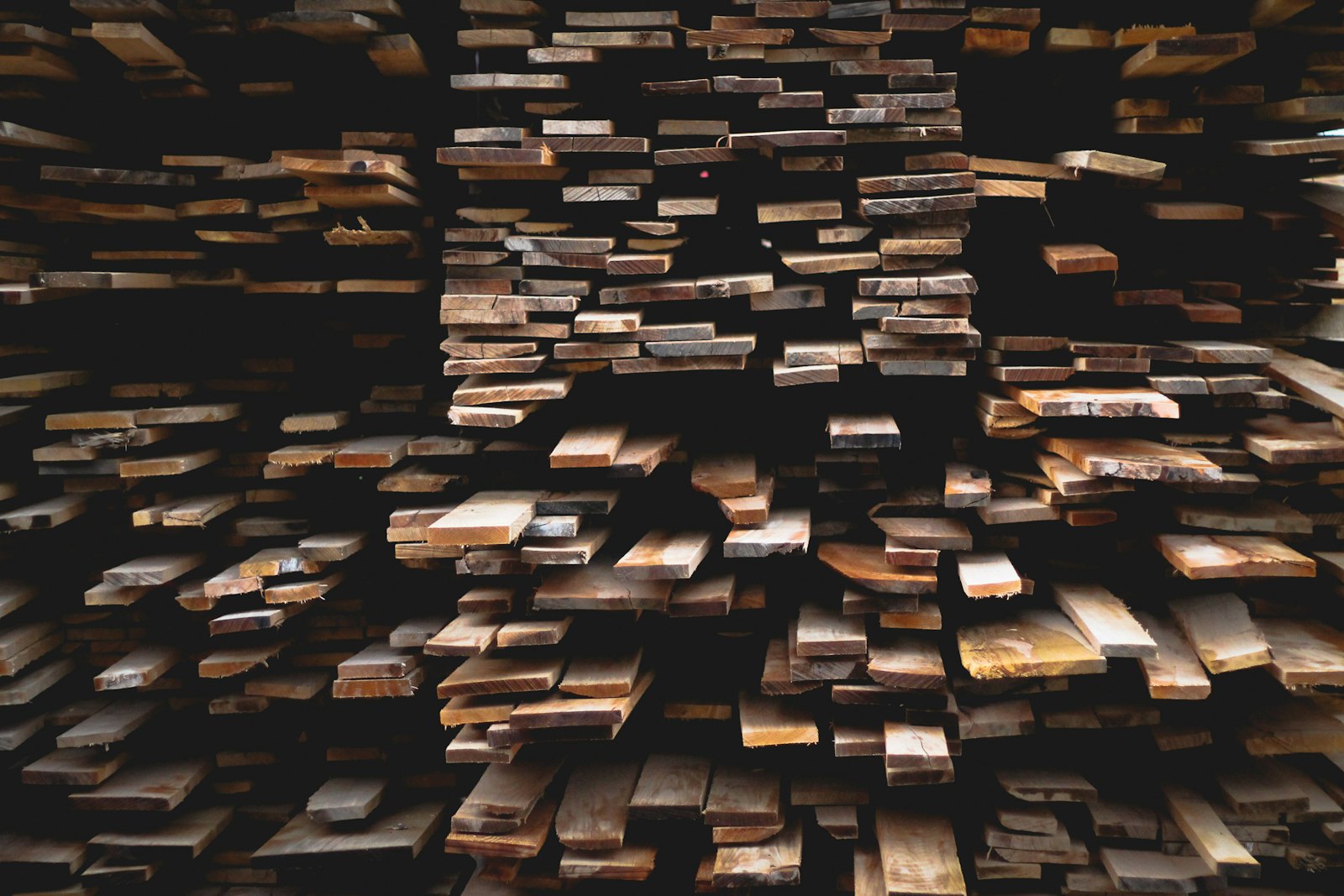
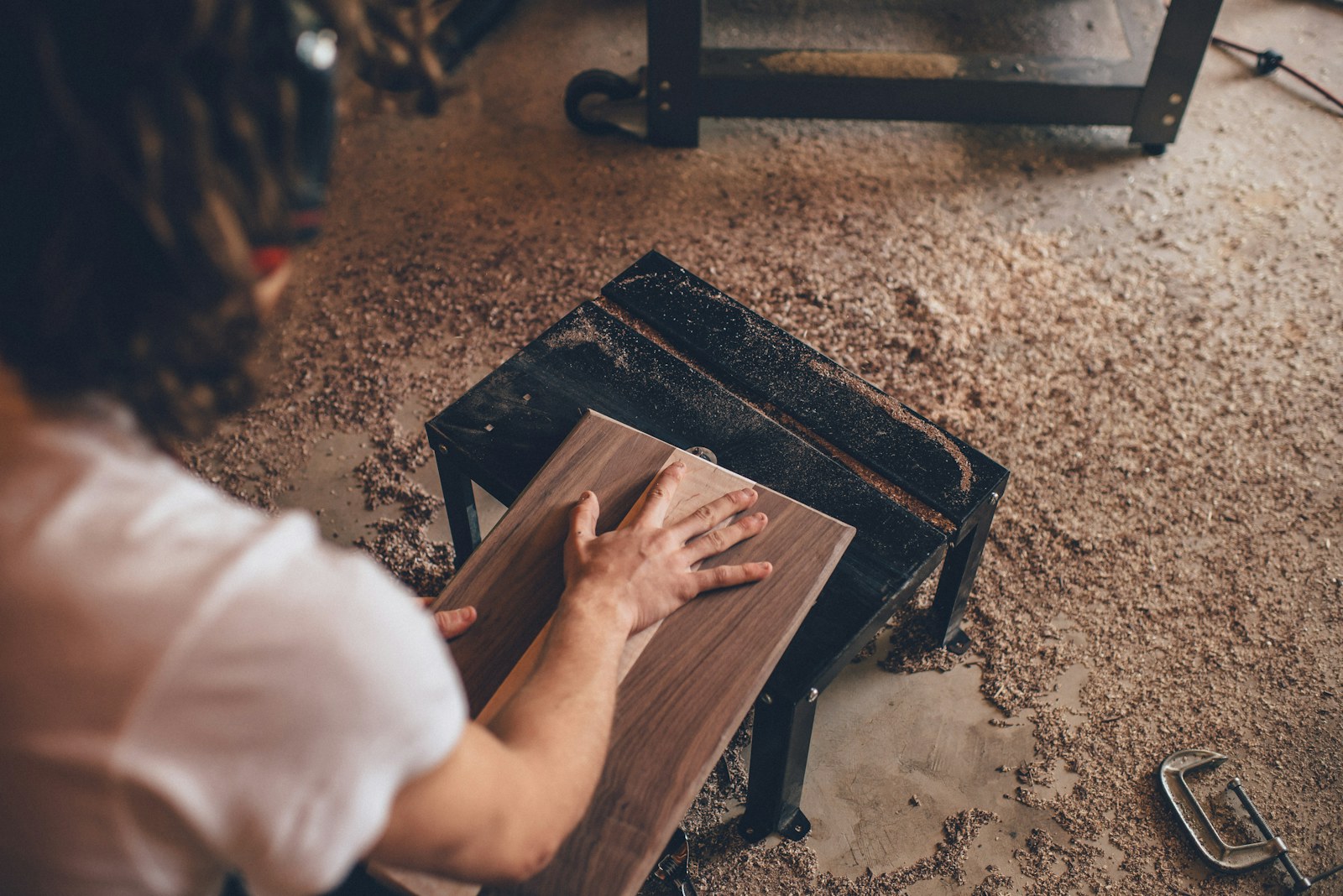
Any of these woods will crack, twist or open its joints if it goes into furniture wet. Timber for Dubai interiors should be kiln-dried to about 8–12% moisture, then left to settle in the workshop before it is cut. Ask your maker for the moisture reading, and for photographs of the actual boards. Good joinery matters as much: frames should be glued and dowelled or mortise-and-tenoned, with corner blocks glued and screwed at every corner. MDF, chipboard and softwoods such as pine have no place in a frame that has to last.
Which wood for which piece
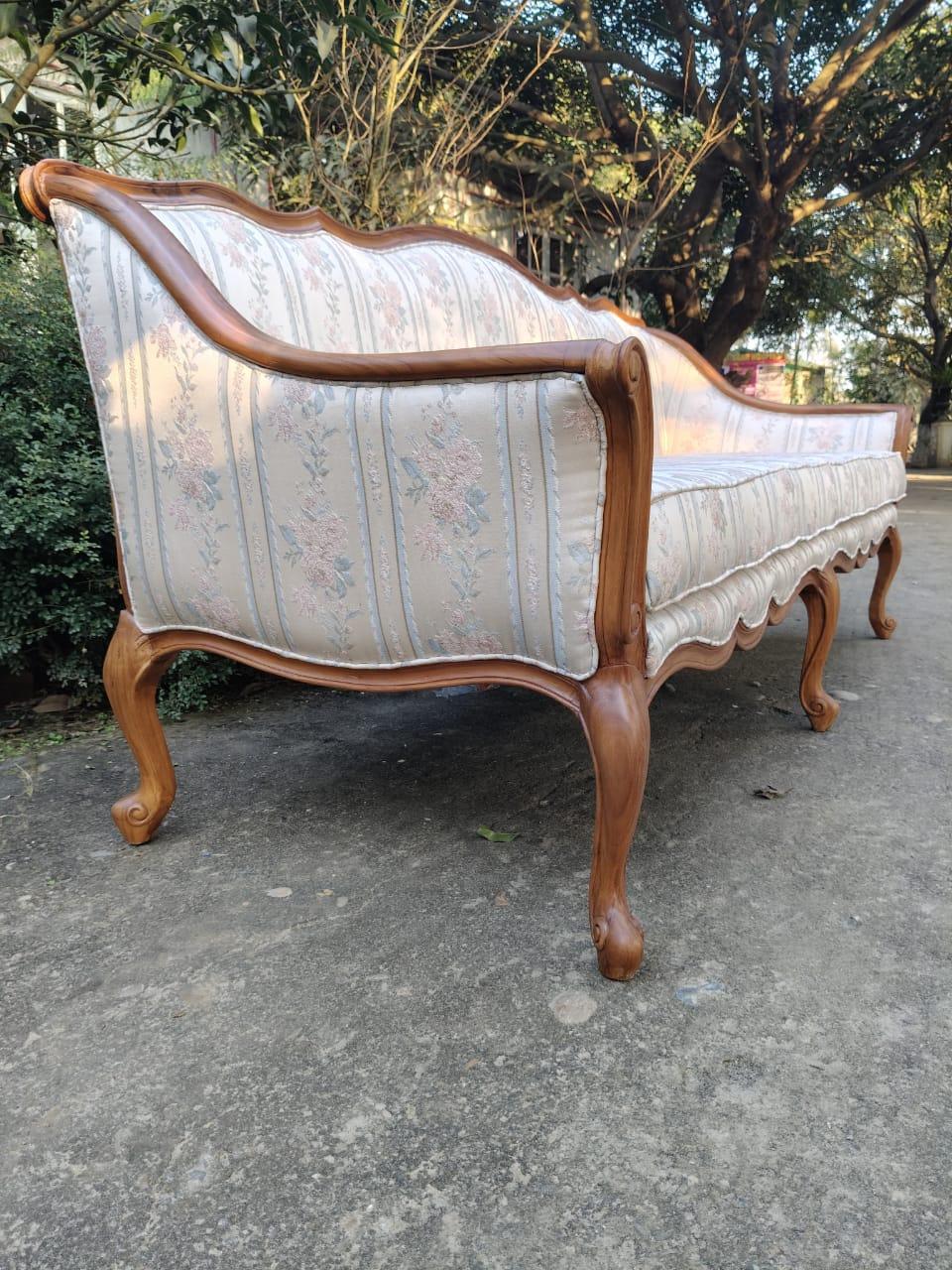
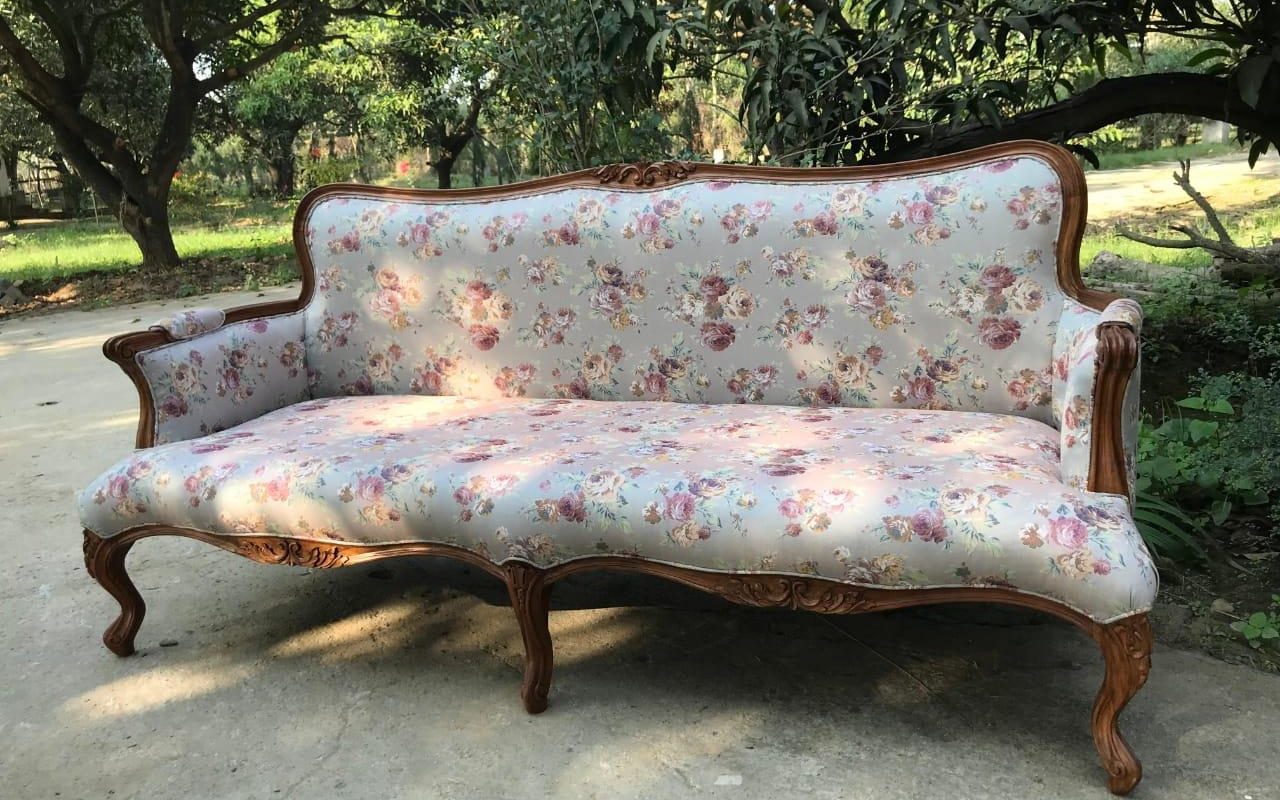
- Sofas and armchairs: sheesham or teak frames, hidden under the upholstery; teak or sheesham legs where wood shows. Our bespoke sofas are built this way.
- Beds: sheesham or teak frames and slats, with carved or panelled teak headboards for a classic look. See our luxury custom beds.
- Dining tables and chairs: solid teak or sheesham tops and frames, and sheesham chairs where strength matters most. Oak or walnut tops are available on request. See our custom dining tables.
- Carved and classical pieces: teak or sheesham, both of which take fine carving. Our guide to classic French furniture styles shows them in use.
- Terraces and pool decks: teak, which weathers to silver or can be oiled to keep its honey tone.
How to check what you are buying
- Ask for the species in writing, by its botanical name if you can: Tectona grandis for teak, Dalbergia sissoo for sheesham.
- Ask whether the frame is heartwood, and how the sapwood has been dealt with.
- Ask for the moisture reading after kiln-drying.
- Ask how the joints are made and whether the corners are blocked.
- Ask for the warranty on the frame in writing.
The bottom line
For furniture in Dubai, teak and sheesham are the woods to choose: sheesham for strength and value, teak for stability, beauty and natural resistance to termites and moisture. Oak is lovely where a pale grain is on show, but it is not where we would put the strength. For more on how a frame, its springs and its foam decide a sofa's life, read how long a sofa should last, or see all our bespoke furniture in Dubai.
Header photograph: Ian Schneider on Unsplash. Stacked boards: Alex Jones on Unsplash.
Choosing the wood for a new piece?
Tell us what you are making and where it will live. We will recommend teak or sheesham for the frame and show you finished samples in our Al Qusais workshop.
Book a Consultation