Most people choose upholstery the way they choose paint: they look at it, they like it, they point. That works for paint, which costs a hundred dirhams to change your mind about. On a bespoke sofa the cloth is a meaningful share of the price, it is cut and sewn to that frame and no other, and it is the only part of the piece anyone actually touches. It is worth ten minutes of specification. Here is what those ten minutes should cover.
The four numbers on the spec sheet
1. Martindale — how much wear it takes
An abrasion test: a machine rubs the cloth until it shows wear, and the count is how many cycles it survived. What you need:
- 15,000–25,000 — light use. Formal sitting room, a majlis used for guests, occasional chairs.
- 25,000–40,000 — general domestic. The sofa the family actually sits on.
- 40,000+ — heavy duty. Holiday homes, short-let units, a majlis in daily use, anything commercial.
2. Light fastness — the number that matters most here
Rated 1 to 8 on the blue wool scale. Specify 5 or better for anything within reach of daylight, 6–7 for a piece that sits in the sun. This is the one people ignore and then regret, because in the Gulf sunlight destroys colour long before use destroys cloth. A fabric with a magnificent rub count and poor light fastness gives you a sofa that is structurally perfect and visibly two-tone by year three. If you have ever seen one arm of a sofa lighter than the other, you have seen it happen.
3. Composition — what it is made of
Natural fibres feel wonderful and behave less predictably; synthetics have closed most of the gap on hand and comfortably beaten naturals on performance. The most useful development is solution-dyed fibre, where colour is added while the fibre is formed rather than applied to its surface — the pigment runs the whole way through, so there is far less for UV to bleach. Blends are usually the sensible answer: the hand of a natural with the recovery and fastness of a synthetic.
4. Cleaning code — what you can do when something spills
W water-based cleaners, S solvent only, WS either, X vacuum only. For a family sofa insist on WS. An X-coded cloth on a sofa with children is a decision you will regret the first time someone puts down a glass of karak.
What Dubai specifically does to upholstery
- Ultraviolet light. The dominant factor, as above. Shade the piece or specify for the exposure — layered sheers and blackout curtains protect furniture as much as they cut heat.
- Dry, conditioned air. Indoor humidity stays low year-round. That is hard on leather, which depends on its oils, and largely irrelevant to textiles — one of the quieter arguments for fabric over hide here.
- Fine airborne dust. Abrasive at a microscopic level and it works into the base of a weave, cutting fibres from beneath. Regular vacuuming genuinely extends fabric life in this city. Textured weaves and mid-tones hide it; flat dark cloths show every mote.
- Heat transfer. A practical comfort point: dense, non-breathable coverings in a sunlit room become unpleasant to sit on in July.
The question nobody asks: how much fabric?
This is where two fabrics quoted at the same price per metre stop costing the same. Rough working figures on a 140 cm cloth:
- Three-seater sofa: 14–18 m
- Two-seater sofa: 10–13 m
- Armchair: 6–8 m
- Dining chair: 1–1.5 m each
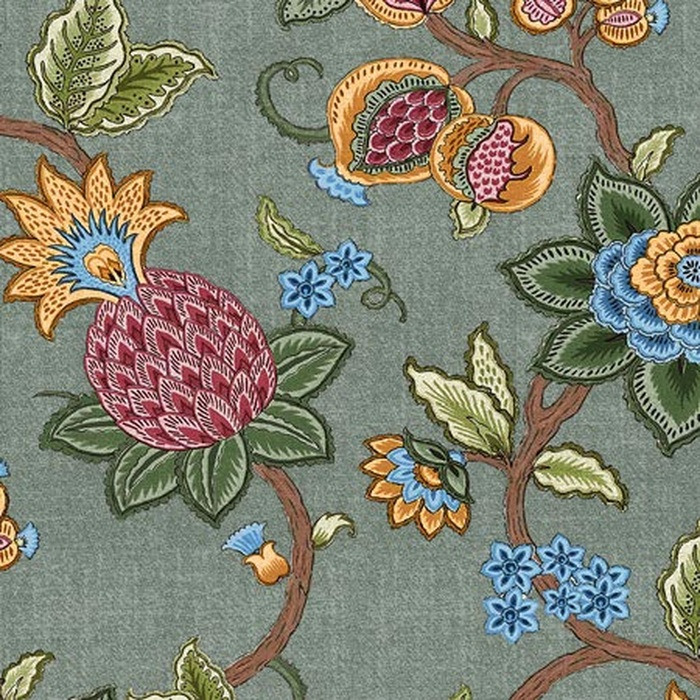
Then the repeat. A plain cuts efficiently; a large-scale pattern does not, because every panel has to be cut so the motif lines up across the seat cushions and centres on the back. A big repeat can add 20–30% to the meterage. That is not a hidden charge, it is geometry — but it means a patterned cloth at the same price per metre is meaningfully more expensive per sofa. Always ask for meterage on your actual design before you compare two fabrics on price.
Plain or pattern on a large piece
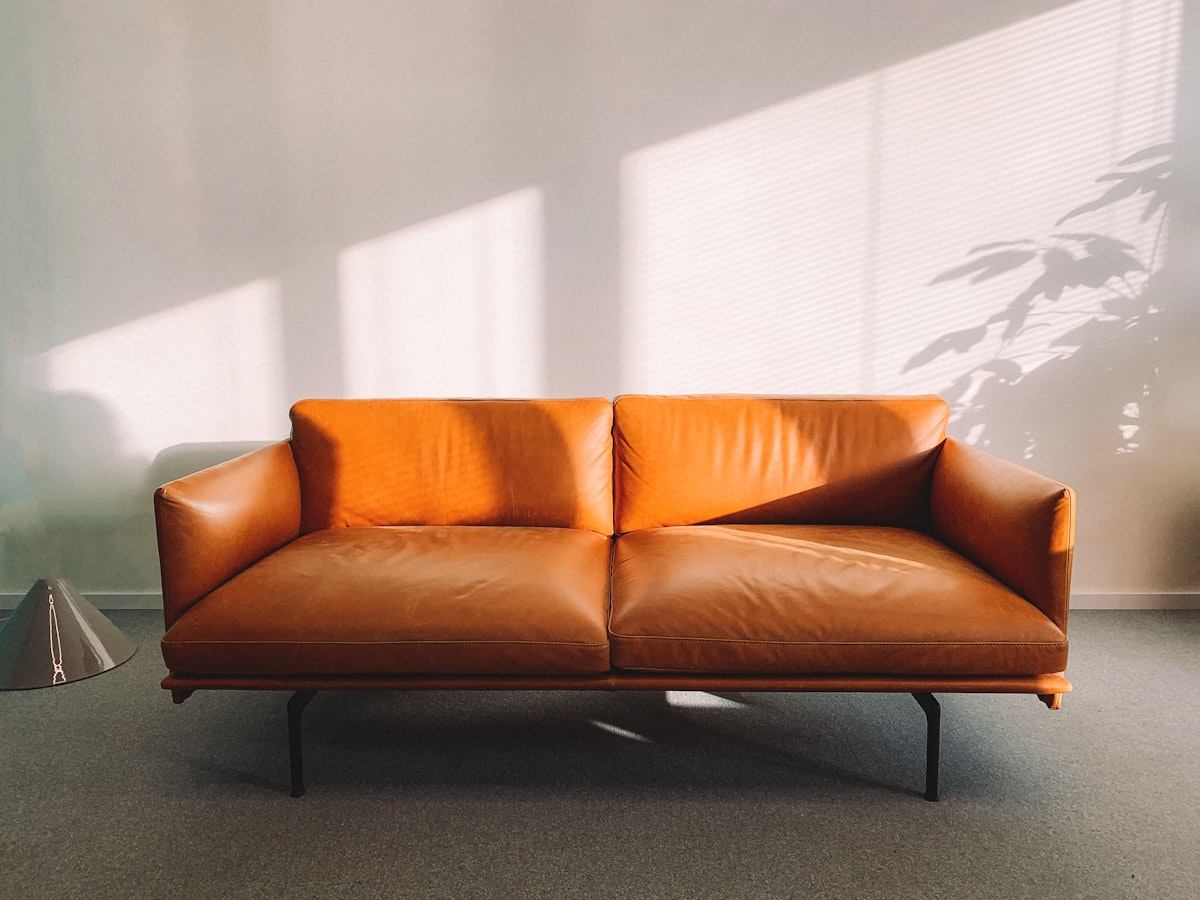
A three-seater is a big flat plane, and it is unforgiving of a pattern that was designed to be seen at cushion scale. As a rule: put the plain on the largest piece and the pattern on the smaller ones. A Nuance sofa with two Éclat armchairs reads as a considered scheme; the reverse usually reads as a showroom. Our next piece goes into this in detail.
What sits under the cloth
Worth saying, because fabric gets all the attention and none of the failures. A sofa lasts because of a kiln-dried hardwood frame, jointed and glued rather than stapled into softwood, and because the foam was specified rather than whatever filled the shape. Kiln drying matters especially here: timber that has not been properly dried moves as it acclimatises to Dubai's indoor air, and a moving frame telegraphs straight through the upholstery as puckering and open seams. No cloth survives a bad frame.
The short version
Match the rub count to how the piece will actually be used, not how you imagine it will. Specify light fastness of 5 or better and treat it as the more important number. Insist on a WS cleaning code for anything a family uses. Get meterage quoted on your real pattern before comparing prices. And order cuttings — nothing on a screen tells you what a cloth looks like at five in the afternoon in a west-facing room.
Browse the three collections at upholstery fabrics, or talk to our team and we will specify it with you.
Specifying a sofa?
Request cuttings from all three collections, free anywhere in the UAE. We'll advise on rub count and light fastness for your room's orientation.
Book a Consultation