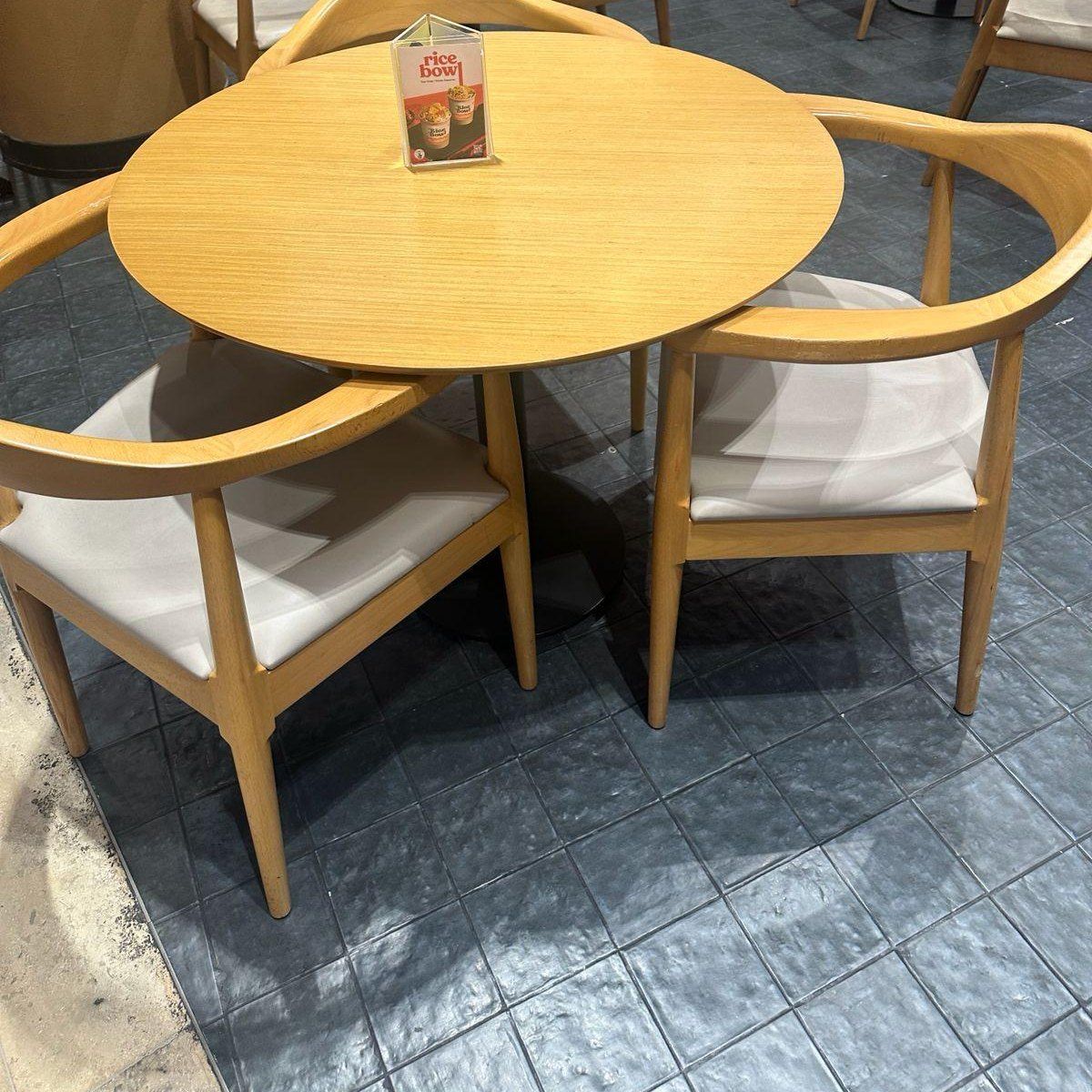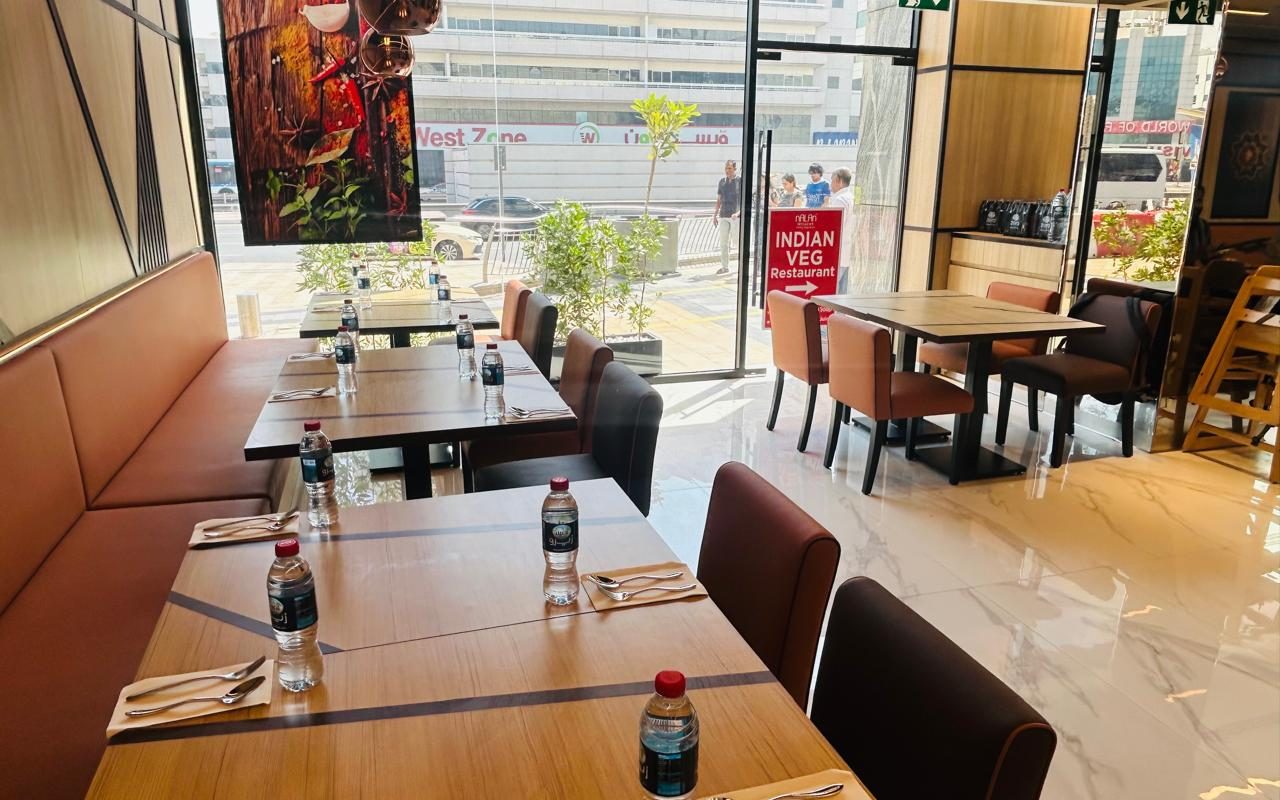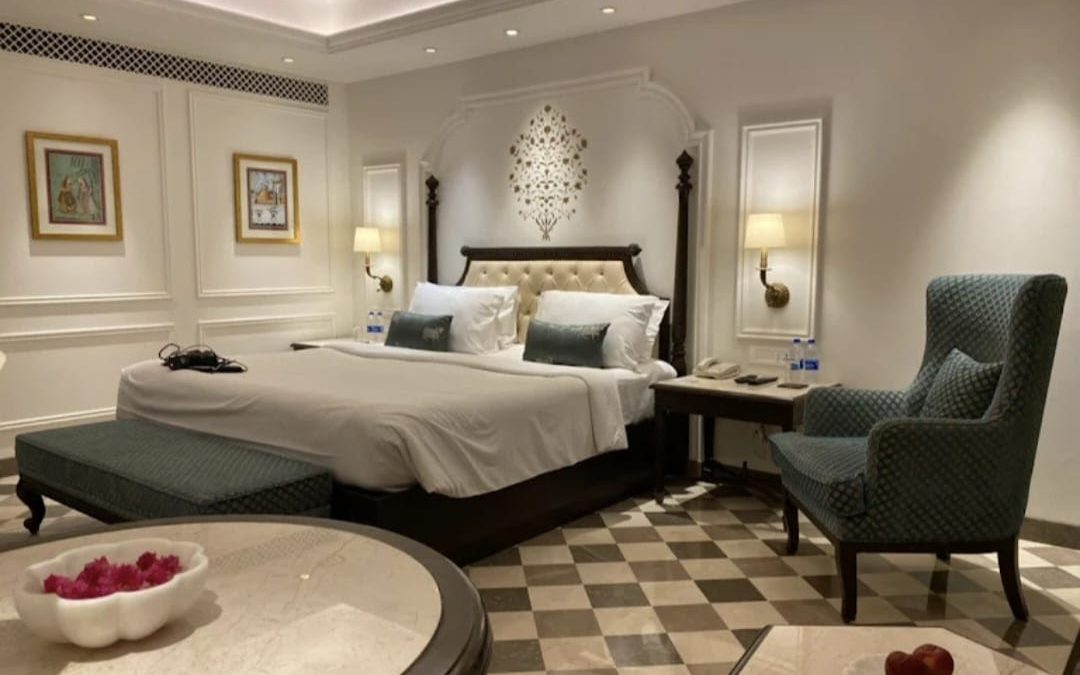
A hotel room is furniture designed for strangers: people who drop suitcases on it, sit on the edge of the desk, and use it harder in a week than most families use theirs in a year. It is then cleaned every day by a team with a trolley and a strict schedule. That is why guest room furniture is specified differently from residential pieces, and why the process of getting it built, from schedule to mock-up to floor-by-floor delivery, matters as much as the design.
What FF&E means, and where the line is drawn
FF&E stands for furniture, fixtures and equipment: the movable pieces and fittings that make a room usable. It is separate from OS&E, operating supplies and equipment such as linen, crockery and minibar stock, and from the fit-out itself. The grey area is fitted joinery: wardrobes, headboard wall panels, vanity units and minibar cabinets can sit in the FF&E package or in the fit-out contractor's scope. Agree the division at the start, because a wardrobe that nobody has priced is a common late surprise.
The typical guest room schedule
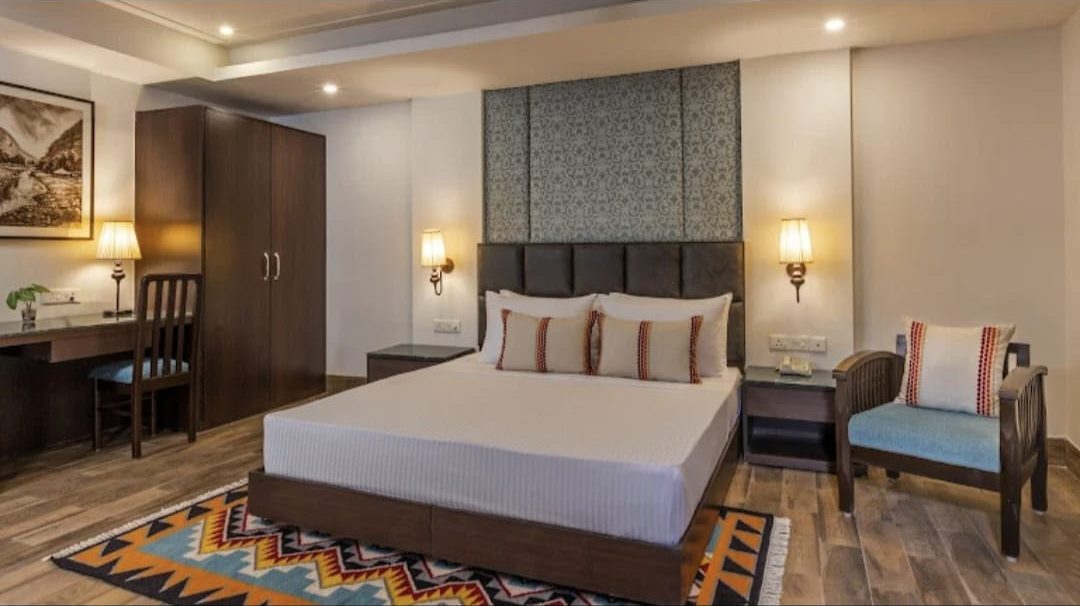
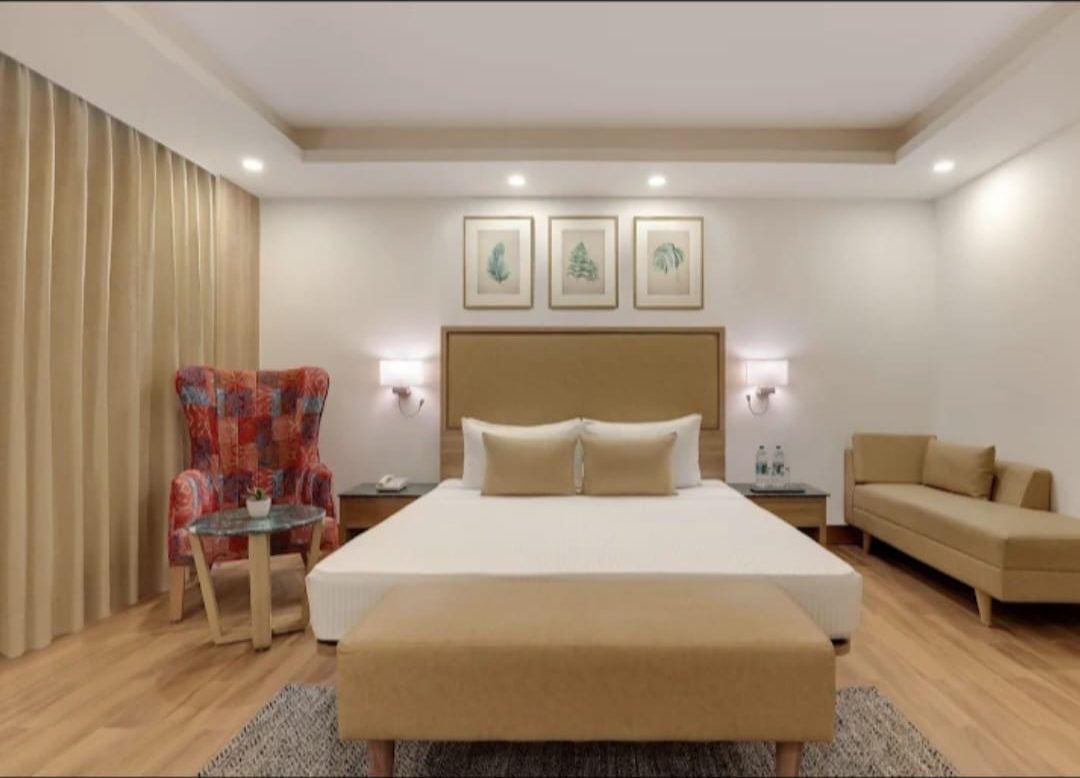
- Bed base and headboard: a divan base on legs or a platform, and an upholstered or panelled headboard, sometimes extending into a full wall.
- Bedside tables: freestanding or wall-hung, now almost always with power and USB charging built in.
- Desk and chair: sized for a laptop and a meal from room service, with cable management.
- Lounge seating: an armchair and ottoman, a small sofa or a daybed, with a side or coffee table.
- Luggage rack or bench: the piece that takes the most abuse in the room.
- Wardrobe, minibar and TV unit: often fitted joinery, and often combined into one wall.
- Mirrors, lamps and artwork, and in suites a dining table, extra seating and sometimes a bar unit.
Contract grade, specifically
“Contract grade” is not a marketing phrase. For a guest room it means:
- Upholstery from about 40,000 Martindale rubs on seating in regular use, with pilling and lightfastness checked as well; headboards can take lighter cloths because nobody sits on them.
- High-resilience foam at densities that recover after thousands of compressions, not the foam of a showroom sofa.
- Fire performance to the standard the approving authority and the hotel operator require, for foam, fabric and sometimes the assembled piece, with certificates for the exact materials used.
- Edges that take knocks: solid timber lipping or metal edging on casegoods, rounded corners, and hard-wearing tops on luggage benches and desks.
- Finishes that survive housekeeping chemicals, such as catalysed lacquers and sealed stone, rather than oils and waxes.
- Joinery built for daily cleaning: either legs high enough for a vacuum head to pass underneath or plinths taken right down to the floor, never the awkward gap in between where dust collects.
Our contract furniture guide sets out these standards across restaurants and offices as well.
Design details guests and housekeeping notice
- Power where people actually sit: at the bedside, the desk and the lounge chair.
- Luggage space at the right height: a bench or rack roughly 45–50 cm high near the wardrobe, with a durable top.
- A bed-end bench that protects the bed from suitcases and gives guests somewhere to sit and dress.
- Removable seat cushions and covers so upholstery can be cleaned or replaced without taking the piece away.
- Wall-hung pieces where cleaning is critical, such as bedside tables and desks, to leave the floor clear.
The mock-up room: the cheapest insurance on the project
Before the full order goes into production, one complete room is built and furnished with production-standard pieces. The operator and the designer check every detail in real light; housekeeping tests how long the room takes to service; engineers check the power and data positions. Changes are then made once, rather than across two hundred rooms. A mock-up costs a few weeks in the programme. A headboard that is 5 cm too low for the wall lights, repeated in every room, costs far more.
Programme: from schedule to the last floor
- Schedule and design intent from the interior designer, with room types and quantities.
- Shop drawings and samples: every piece drawn to the room, with finish and fabric samples submitted for approval. Two to four weeks.
- Prototype and mock-up room: built, reviewed, amended and signed off. Two to three weeks.
- Production in batches, with all fabric ordered from one dye lot and veneers selected from matched batches so that colour is consistent across every floor.
- Delivery floor by floor as the site hands over rooms, followed by installation, snagging and handover.
A mid-sized hotel made locally usually runs three to five months from order to the last floor, depending on the room count and how many room types there are.
Spares and refurbishment
Order a small stock of spares with the main package, typically a few per cent of the key items plus spare fabric, and keep it on site. A guest will eventually damage a headboard or a chair, and a matching replacement from the same batch is far easier than a remake years later. Soft furnishings are usually refreshed every five to seven years and casegoods less often; furniture built with replaceable covers and cushions makes that refresh much cheaper.
Why local manufacture suits hotels
Dubai's hotel pipeline keeps FF&E manufacturers busy, and the advantage of making locally is control: details can be changed after the mock-up without a second shipment, deliveries can follow the site rather than a vessel schedule, and repairs and spares remain available for the life of the hotel. For pieces drawn to each room type, it also avoids shipping bulky upholstery across the world. For the wider fit-out picture, see our boutique hotel fit-out guide, and for our commercial work, the commercial page.
Planning a hotel or serviced-apartment package?
Send the room layouts, the FF&E schedule or the design intent drawings. We will return shop drawings for a typical room, a prototype programme and a per-key price.
Book a Consultation