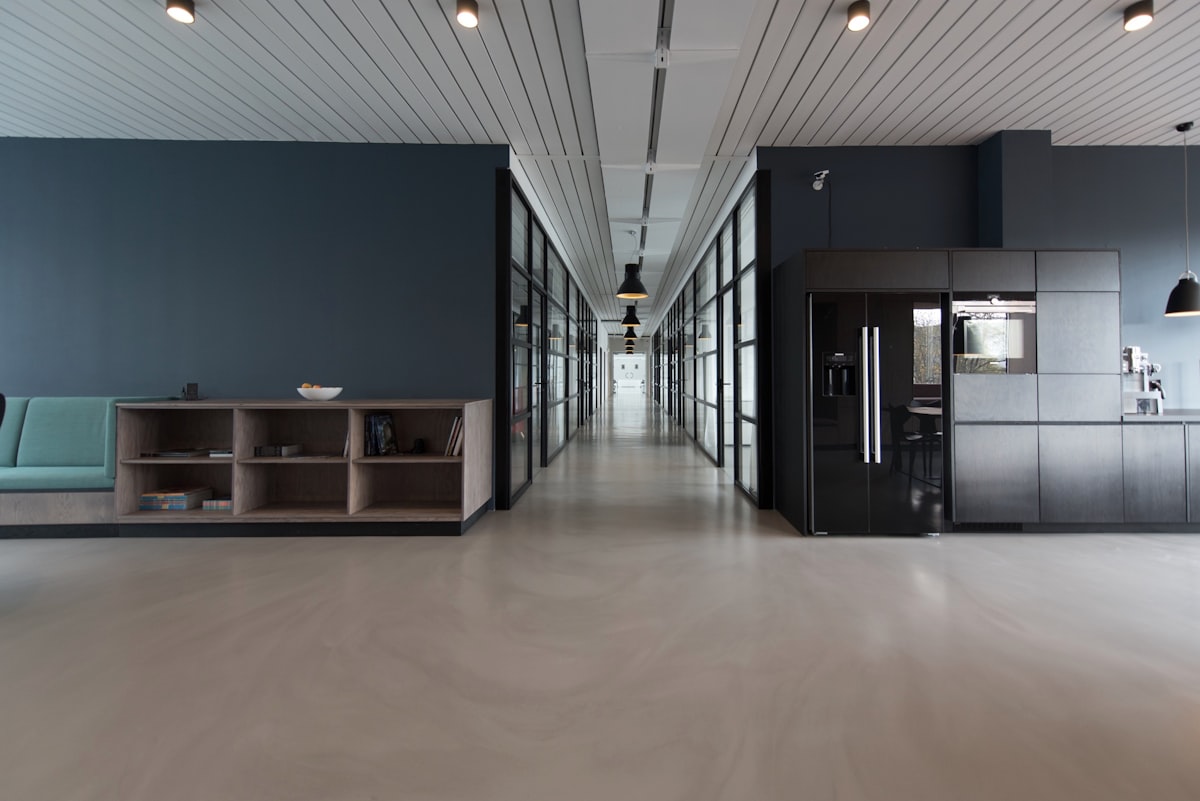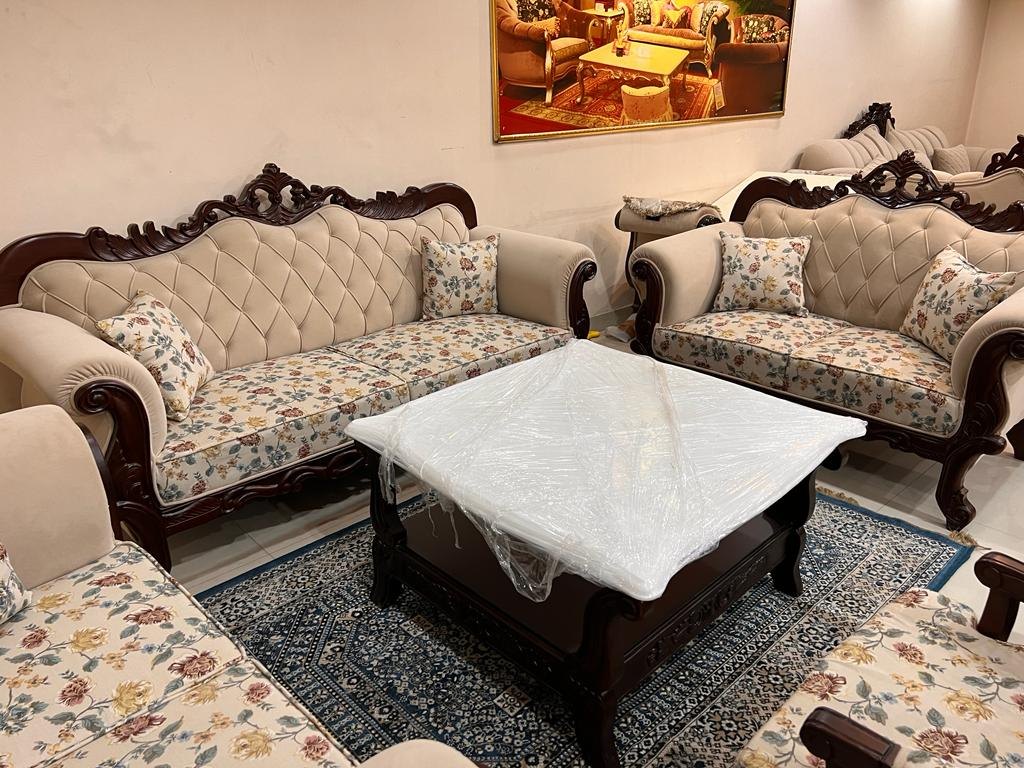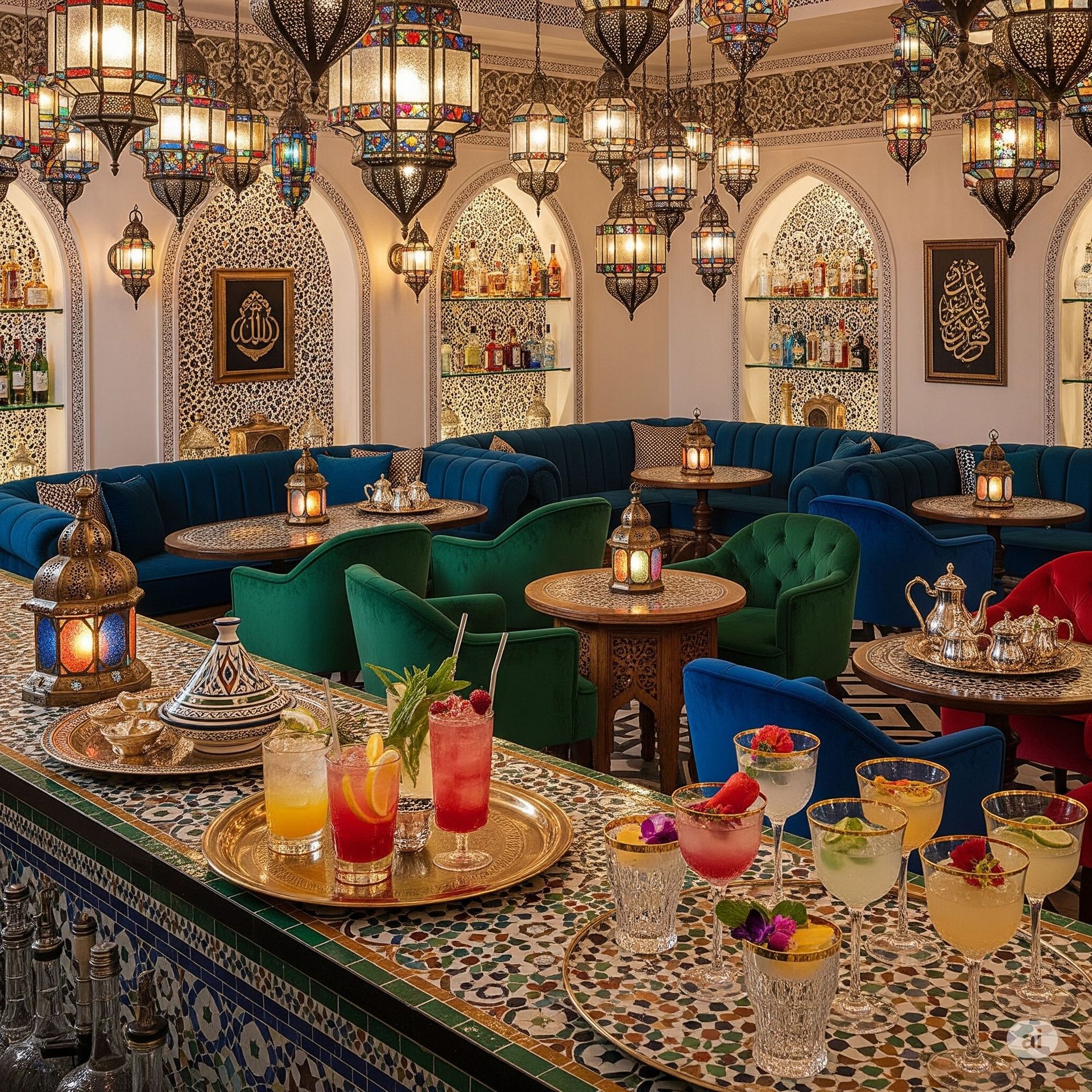
A restaurant chair is pulled out, sat in and pushed back perhaps two hundred times a day. A hotel lobby sofa takes guests with luggage, in shoes, around the clock. An office chair carries one person for eight hours. Domestic furniture in those positions does not last a year, and the failure is never elegant: a loose joint, a flattened seat, a worn arm on the fabric exactly where hands go. Contract furniture is a different specification, and specifying it properly is mostly a matter of knowing which questions to ask.
What makes furniture contract-grade
- Frames built for repeated load: kiln-dried hardwood or welded steel, mortise-and-tenon or dowelled joints, glued and screwed corner blocks, stretchers on chairs where the design allows. Stapled frames belong nowhere in a commercial venue.
- Upholstery from 40,000 Martindale rubs upward for seating in constant use, with pilling and lightfastness grades checked as well; 100,000-rub vinyls and coated fabrics are common on F&B banquettes for cleanability.
- Foam specified for hours, not evenings: high-resilience at 45–50 kg/m³ on dining and lobby seats, because commercial foam is compressed far more often than domestic.
- Fire performance to whatever standard the venue's approving authority and the operator require — foam, fabric, and sometimes the assembly — with certificates supplied for the exact materials used.
- Finishes that take commercial cleaning: catalysed lacquers on timber, powder coat on metal, sealed edges everywhere liquid can sit.
- Repairability: the ability to order six more of the same chair in year three, in the same finish and fabric, and to have a damaged banquette section rebuilt rather than the run replaced.
The categories, and what each one needs
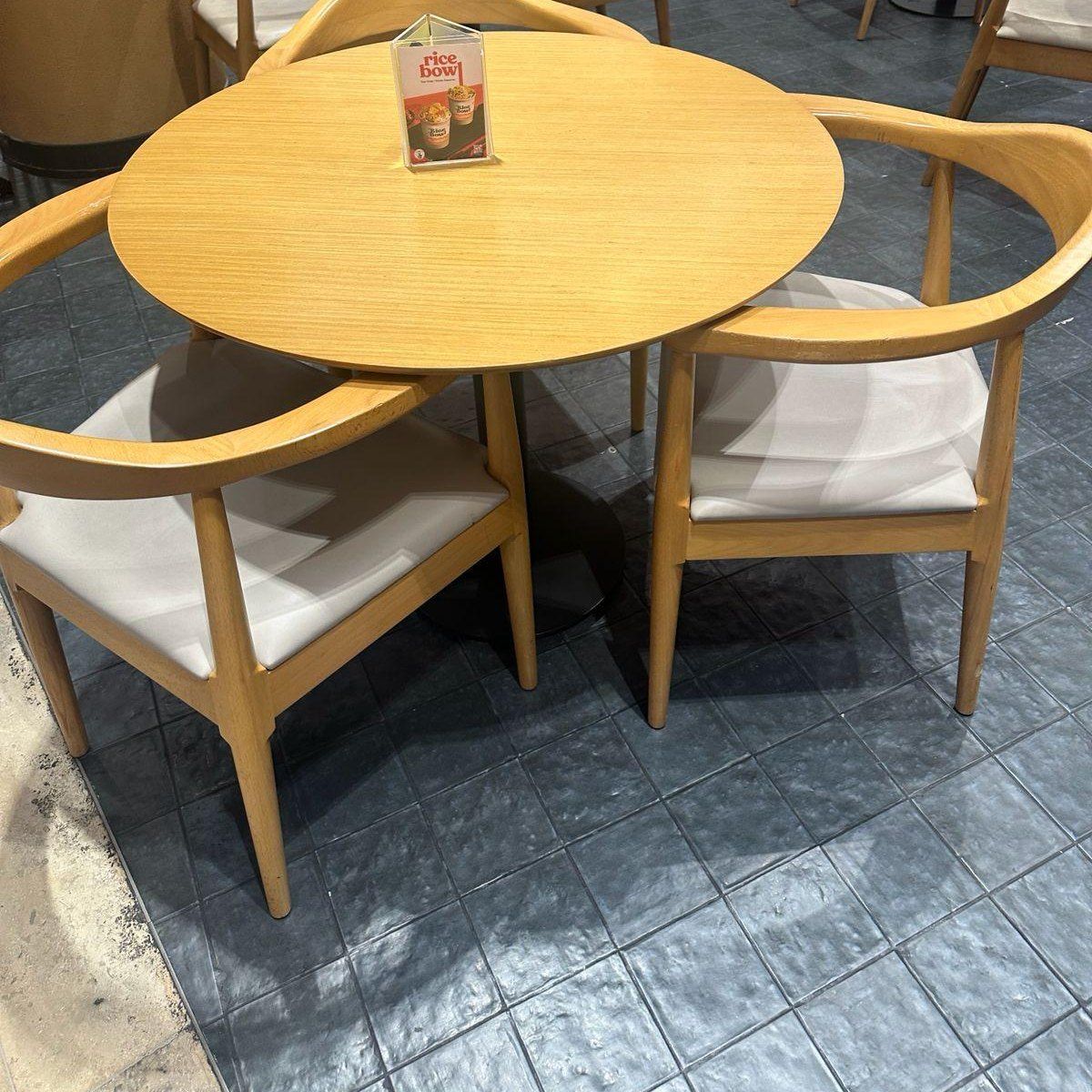
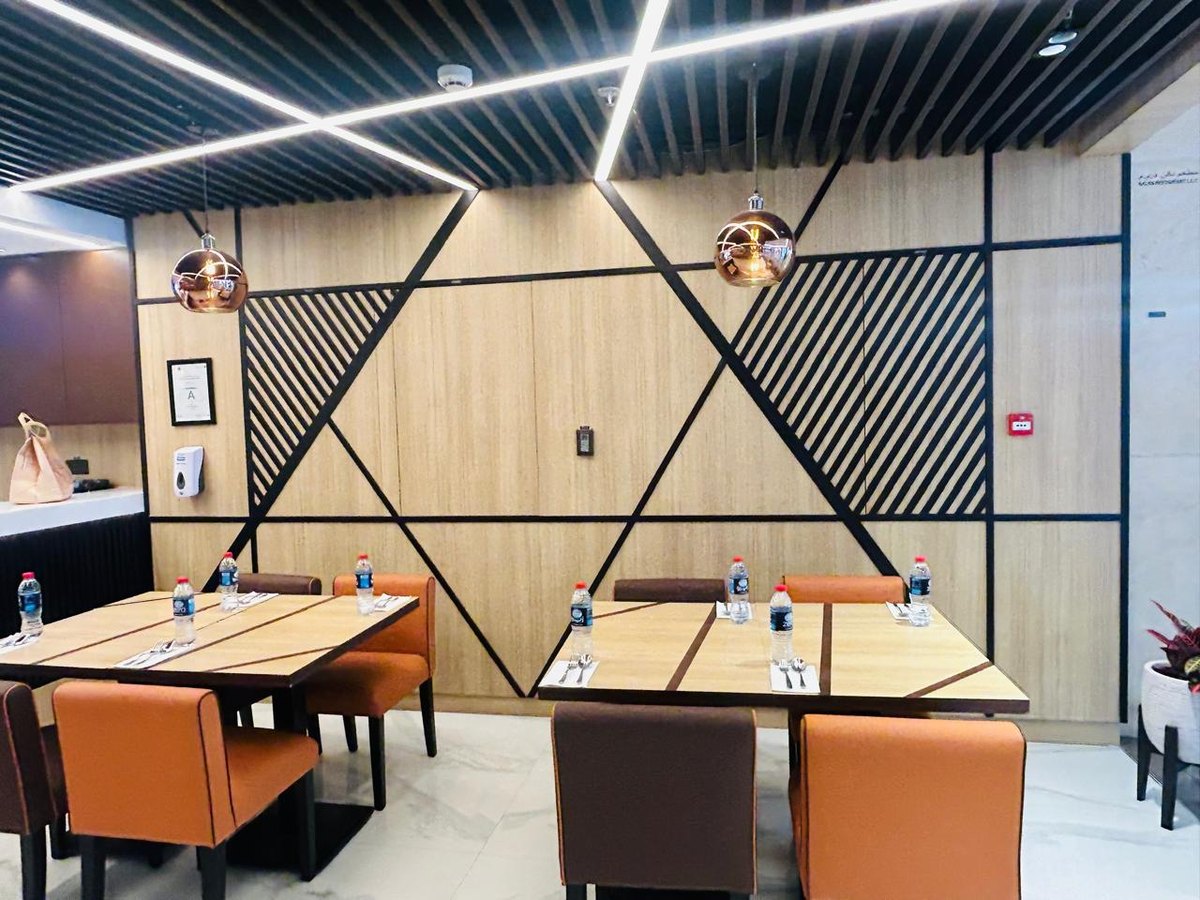
Loose dining chairs and armchairs: the hardest-working item in any venue. Frame joints and seat foam density decide their life; specify stretchers or corner blocks, and ask for a weight test rather than trusting a photograph. Stacking requirements, if any, must be stated up front because they change the frame design.
Banquettes and fixed seating: built in sections, fixed to the floor or wall, with a plinth detail that allows cleaning underneath. Specify the seat depth carefully — 50–55 cm for dining, deeper for lounge — and insist on removable seat cushions or accessible upholstery so that a single damaged section can be repaired in place.
Tables: the top takes the abuse and the base takes the load. Solid timber, stone or a properly lipped veneer over a stable core, on a base heavy enough that the table does not walk when leaned on. Table height 75 cm standard, bar height 105–110 cm, with the seat height paired accordingly.
Hotel bedroom and lobby furniture: headboards, luggage benches, desks and lounge seating, usually to an interior designer's drawings, and usually where matching across many rooms matters more than any single piece.
Office: reception seating, meeting tables, executive desks and joinery, where the specification question is usually cable management and finish durability rather than abrasion.
Prototypes, and why they save money
For any order above roughly twenty identical chairs, build a prototype first — one chair, final frame, final fabric, final finish — and sit in it on site, under the venue's own lighting, at the actual table. It catches the things drawings never show: seat height against the table apron, whether the arms slide under, how the fabric reads next to the wall finish, whether the chair is comfortable after twenty minutes. A prototype costs a week in the programme. A hundred chairs that are 3 cm too tall costs the project far more.
Programme: fitting an opening date
Work backwards from the opening. A typical 80–120-cover restaurant, manufactured locally: one to two weeks for drawings and prototype, one week for approval, six to ten weeks production, delivery phased over the final fortnight as the site becomes ready. Hotel bedroom packages run longer and are usually delivered floor by floor.
Imported contract furniture needs 12–20 weeks including freight and customs, and that is when nothing goes wrong. It is the most common reason an F&B opening slips, and it is why the fit-out programmes we see increasingly split the package: joinery and seating made in Dubai, specialist items imported. Our related guides cover restaurant and hotel fit-outs, F&B fit-out costs and office fit-out process.
What to send for a quotation
- The seating schedule or FF&E list: item, quantity, dimensions, and a reference image or drawing for each.
- Layout drawings showing banquette runs and fixed items.
- The fabric and finish specification, or a request for us to propose one.
- Fire performance requirements from the authority or operator, in writing.
- The opening date and any site access constraints (lift sizes, delivery windows, mall access hours).
We quote by item, with the frame and fabric specification written against each line, prototype dates, and a delivery programme mapped to the opening. Everything is manufactured in our Al Qusais workshop, which is also where the venue comes back to when it needs six more chairs in year three. See the commercial page for recent projects.
Fitting out a venue?
Send the drawings or the seating schedule and we will return a quotation by item, with frame and fabric specifications, prototype dates and a delivery programme against your opening date.
Book a Consultation