A well-made teak or rosewood piece will outlast the house it was bought for, but only if it is looked after in a way that suits its finish and Dubai’s climate. Most of the damage we are asked to repair comes from three things: strong sun through glass, sudden swings in humidity, and the wrong cleaning product used with the best intentions. Here is the routine we recommend, finish by finish.
The short answer
Keep the room’s humidity steady, keep pieces out of direct sun and away from AC outlets, dust with a soft dry cloth, and never use silicone sprays or wet cloths on carved or gilded surfaces. Know which finish you have, because a natural oiled piece, a lacquered piece and a gilded piece each need something different.
First, know your finish
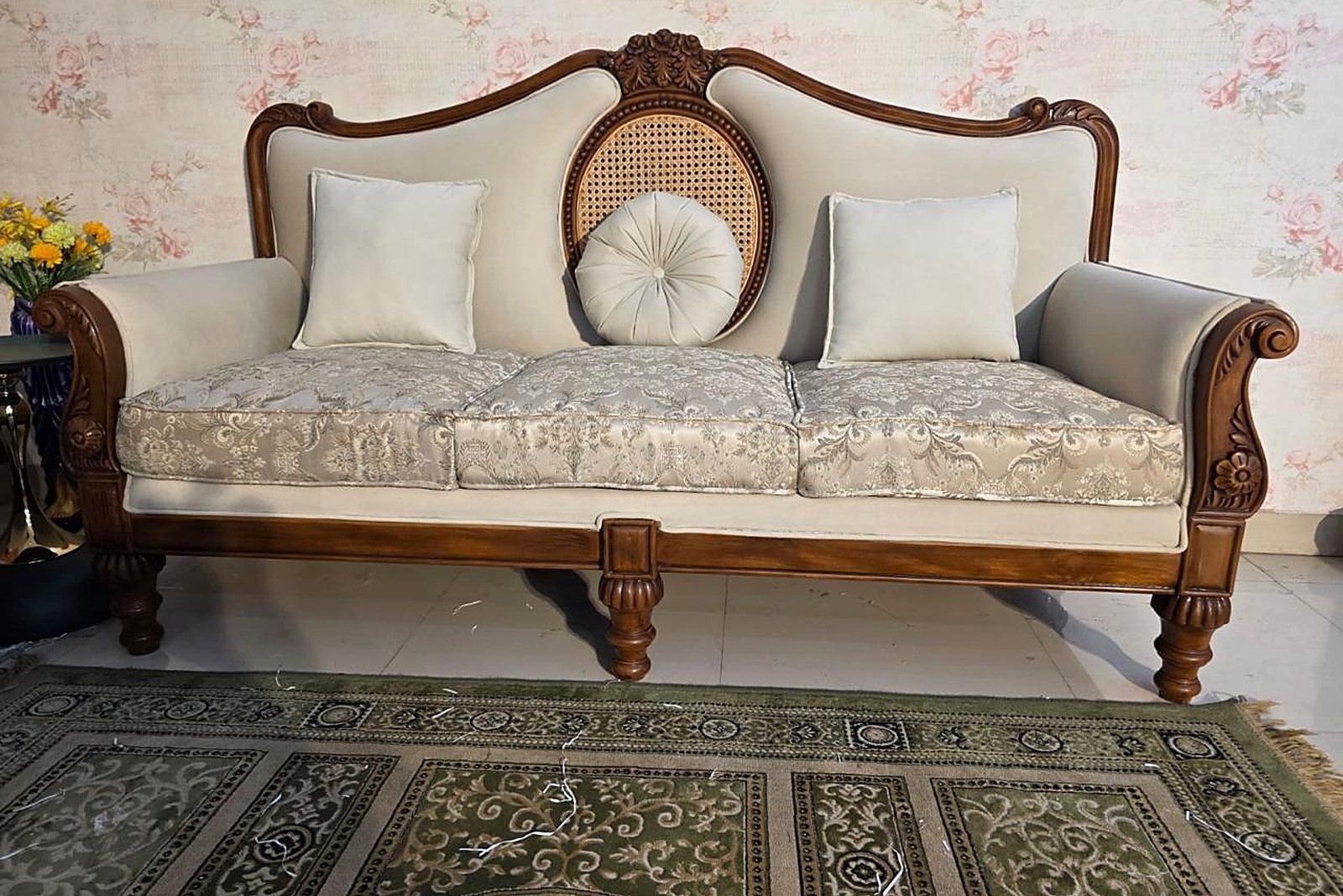
- Natural polish: the grain of the teak or sheesham shows through an oil, wax or clear lacquer finish. Lacquered surfaces only need dusting and an occasional damp wipe; oiled and waxed surfaces benefit from a light top-up once or twice a year.
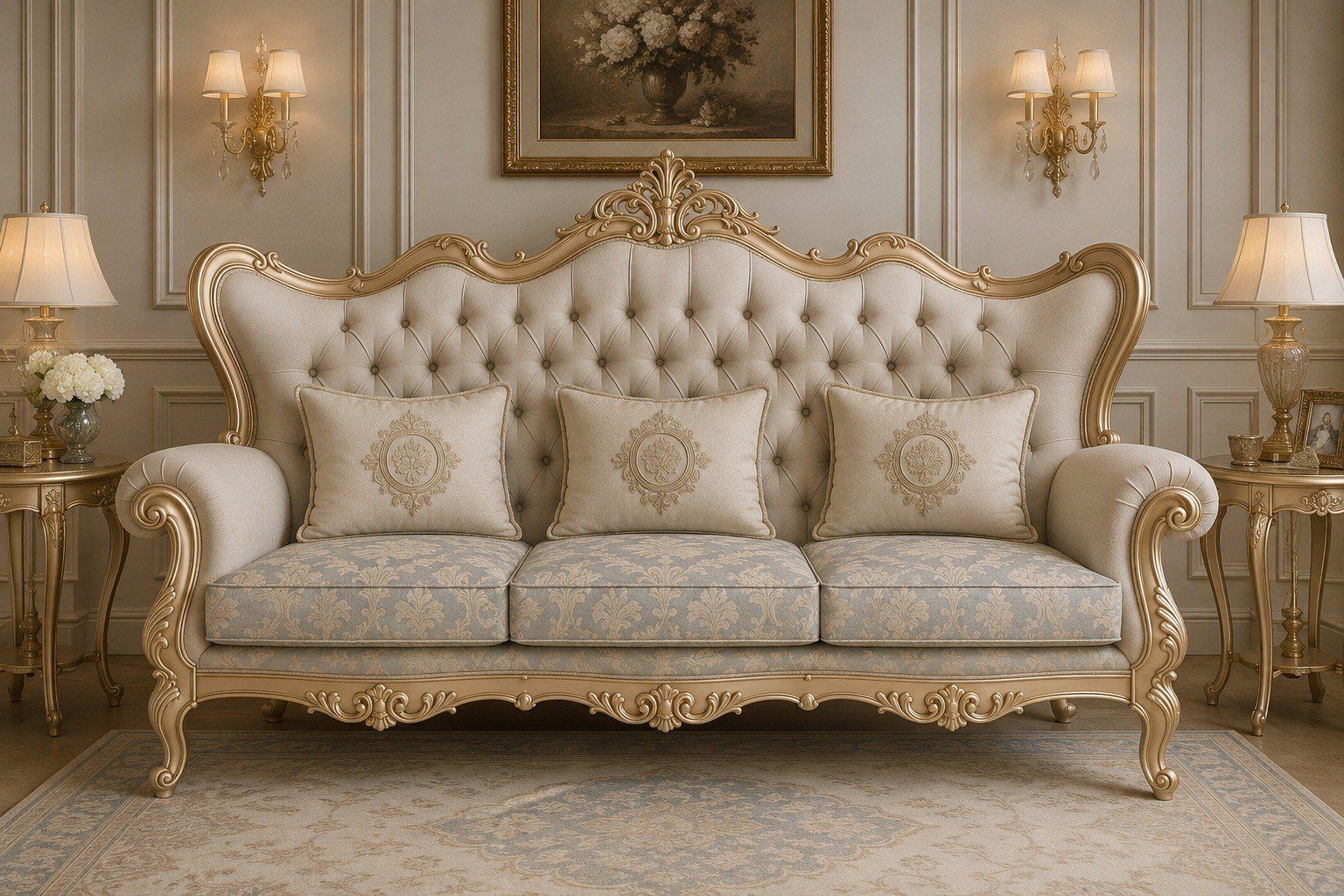
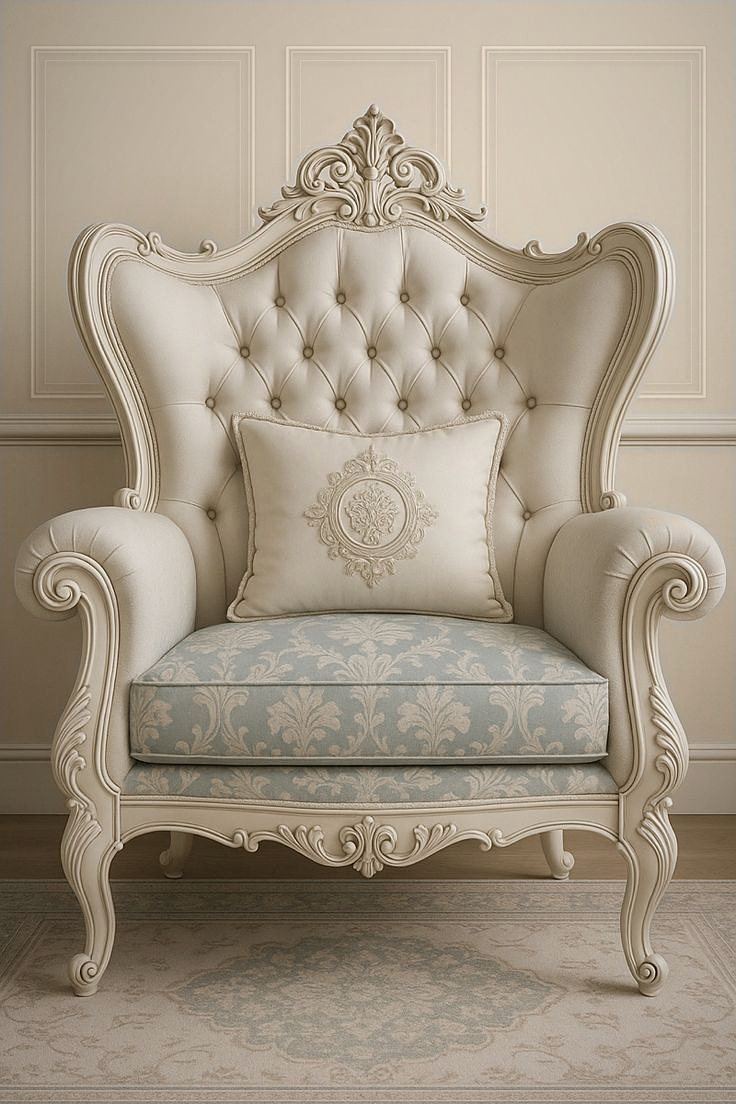
- Lacquered colour: ivory, white and coloured lacquers sprayed in several coats. Hard-wearing, but they show scratches and can yellow slightly if they sit in strong sun.
- Gilded: gold or champagne leaf or gilt highlights on carving. Beautiful, delicate, and the finish that suffers most from water and rubbing.
If you are not sure which you have, look at the paperwork from the maker or ask them. It decides everything below.
Dubai’s climate and solid wood
Inside an air-conditioned home the relative humidity typically sits around 40 to 60 percent, while outdoors in summer it can be far higher. Wood takes on and gives off moisture to match its surroundings, and it is the swing between conditions, not either one on its own, that opens joints, cracks panels and lifts veneers. Good furniture starts with timber kiln-dried to suit an air-conditioned interior, but the room still matters.
- Keep pieces at least a short distance from AC outlets, which blow cold, dry air across the same spot all day.
- Keep them out of hours of direct sun through glass, which fades natural finishes, can yellow lacquer and heats the surface.
- Avoid leaving doors to the garden or terrace open for long evenings in humid months.
The weekly routine
- Dust flat surfaces with a soft, dry microfibre or cotton cloth, wiping along the grain.
- Use a soft brush, such as a clean make-up or paint brush, to lift dust out of carving before it builds up.
- Vacuum the upholstery on classic chairs and sofas with a soft brush attachment and plump the cushions.
Spills, marks and what not to use
Blot spills straight away; do not rub. For a sticky mark on a natural or lacquered surface, use a cloth barely damp with water and a drop of mild soap, then dry it immediately. On gilding, use only a dry soft brush or cloth.
- Avoid silicone furniture sprays. They leave a film that attracts dust, builds up in carving and makes future refinishing harder.
- Avoid glass cleaners and anything with ammonia, alcohol or bleach. They can soften or cloud lacquer.
- Use coasters, mats and trivets. Hot dishes and wet glasses are the classic cause of white rings.
- Put felt pads under ornaments and lamps so they do not scratch the top when moved.
Oiling and waxing, only where it belongs
Oil and wax suit pieces that were finished with oil or wax. Applied over lacquer, they sit on the surface and turn sticky. On an oiled teak or sheesham piece, a thin coat of the product the maker recommends, wiped on and fully buffed off, once or twice a year, keeps the surface even and the grain rich. Less is always more.
The summer away
- Leave the air-conditioning on at a moderate setting rather than switching it off.
- Close blinds and curtains in sun-facing rooms.
- Cover pieces with breathable cotton dust sheets, never plastic, which traps moisture.
- Do not move furniture into a garage, a store room without AC or a container, even for a few weeks.
The yearly check
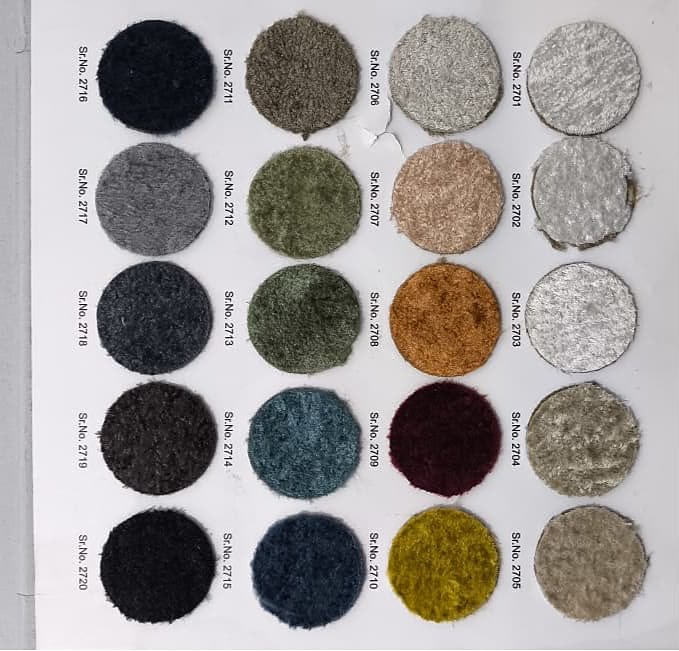
Once a year, look over each piece: rock chairs gently to check the joints, open drawers and doors, look at the carving for cracks and the gilding for wear, and check the glides under the feet. Small problems such as a loose joint or a lifted edge are quick to fix early and expensive to fix late. Upholstery that has flattened or faded can be renewed on the same frame; see our guide to re-upholstery in Dubai.
The bottom line
Steady humidity, no direct sun, a dry cloth and the right product for the finish. Do that, and solid teak and rosewood furniture will look better in twenty years than it did on the day it arrived. To understand what makes a classic piece built to last in the first place, read how a hand-carved classic sofa is made in our Dubai workshop.
A classic piece that needs attention?
Send us photographs of the piece and the problem. We will tell you whether it needs a clean, a touch-up or a workshop repair.
Get Advice